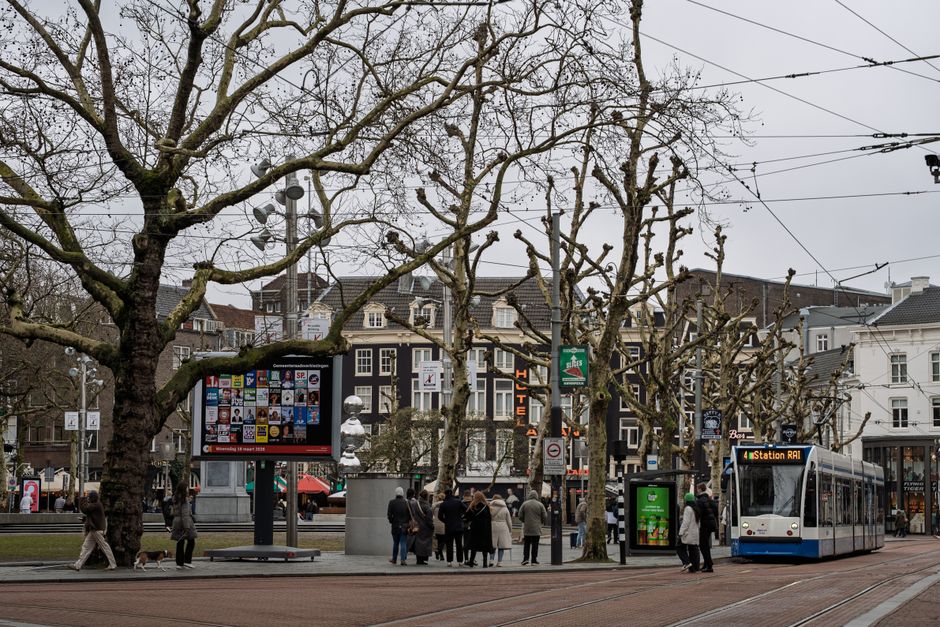
Amsterdam Takes a Stand Against Climate-Harmful Advertising
Amsterdam is making global headlines after becoming one of the first major cities to ban public advertisements for meat and fossil fuel products. The Dutch capital's local politicians pushed through the policy as part of a broader effort to align the city's public spaces with its environmental commitments, and the move is already sparking debate across Europe and beyond.
The ban covers outdoor and public-facing advertising for products that contribute significantly to greenhouse gas emissions, including meat and fossil fuels like oil, gas, and airline travel. The idea is straightforward: if a city is serious about its climate targets, it shouldn't be plastering billboards with ads that encourage high-carbon consumption.
Why Amsterdam Is Leading the Charge
Amsterdam has long positioned itself as a forward-thinking European city on climate issues. The Dutch capital has set aggressive targets to reduce its carbon footprint, and city officials argue that advertising plays a subtle but powerful role in shaping consumer behaviour.
Proponents of the ban say that just as cities once banned cigarette advertising to discourage smoking, restricting ads for climate-damaging products is a logical next step in public health and environmental policy. The argument is that normalizing high-emission lifestyles through advertising makes it harder to shift cultural attitudes toward sustainability.
The move puts Amsterdam in the company of a small but growing list of cities exploring similar restrictions. Transport for London considered banning ads for high-carbon foods and products on the city's transit network, and Sydney has had discussions about limiting fossil fuel advertising. But Amsterdam's ban is notably broader in scope.
Pushback From Industry
Not everyone is on board. The meat industry and fossil fuel sector have been vocal in their opposition, arguing the ban sets a troubling precedent for government overreach into commercial speech. Critics also question whether restricting advertising will meaningfully change consumer habits, or whether it's largely symbolic.
There are also questions about enforcement: how do you define which products fall under the ban, and what happens when categories overlap? A restaurant advertising a burger special, for instance, treads a fine line.
A Blueprint for Other Cities?
For urban planners, climate advocates, and local governments around the world, Amsterdam's experiment will be closely watched. If the ban proves effective, or at least politically durable. It could inspire similar policies in cities trying to square their climate ambitions with the commercial realities of public advertising revenue.
For now, Amsterdam's streets will look a little different. Gone will be the glossy billboards promoting cheap steaks and gas company branding. Whether that shift leads to real behaviour change or simply reframes the debate around advertising freedom and climate responsibility, the world is paying attention.
The policy reflects a growing global conversation: as the climate crisis deepens, cities are being asked to put their public spaces where their politics are.
Source: BBC World News

