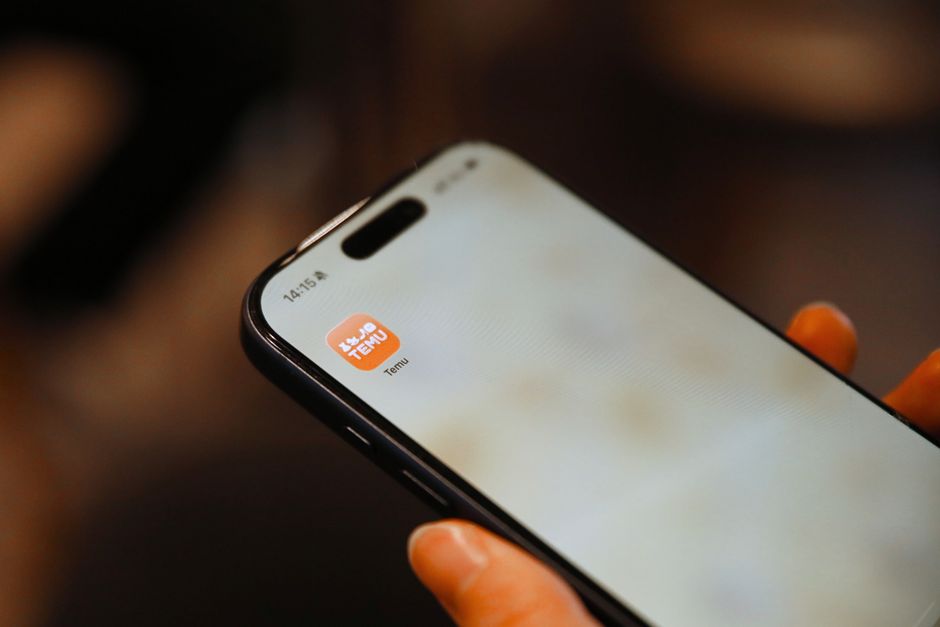
Apple has announced it will lower the commission fees it collects in its App Store in mainland China, reducing the standard rate from 30% to 25% starting Sunday. The move follows sustained pressure from Chinese regulators and represents a meaningful concession in Apple's second-largest market.
A Long-Sought Victory for Chinese Developers
For major Chinese technology companies like Tencent and ByteDance, the parent company of TikTok, the reduction is a significant financial win. Apple's App Store is a critical distribution channel for apps like WeChat, Douyin (China's TikTok), and a wide range of gaming and entertainment applications. At the scale these companies operate, a five-percentage-point reduction in commission translates to substantial savings on every transaction processed through the platform.
The move also signals that regulatory pressure, rather than pure market negotiation, was the decisive factor. Chinese authorities had been pushing Apple on the fee issue as part of a broader effort to assert greater control over the terms under which foreign technology platforms operate in the Chinese market.
How the New Fee Structure Works
Under the revised terms, fees for in-app purchases and paid app transactions in mainland China will be 25%, down from the 30% that Apple has traditionally charged globally. This brings China in line with a tiered structure Apple has previously offered in other markets under regulatory pressure, including the European Union, where the Digital Markets Act forced the company to open its platform to competing app stores and adjust its fee structure.
The change applies to transactions processed through Apple's payment system. Developers who reach agreement with Apple to use alternative payment processing methods, where available, would face different terms.
Apple's Strategic Calculation
For Apple, the fee cut is a calculated concession in a market it cannot afford to lose. China represents a critical share of Apple's global hardware revenue, the iPhone remains enormously popular despite intensifying competition from domestic brands like Huawei, and the App Store ecosystem in China generates billions in annual revenue.
Maintaining access to that market, and keeping regulatory relations with Beijing manageable, requires a degree of accommodation that Apple has historically been more resistant to in Western markets. The fee cut is part of an ongoing pattern of Apple making China-specific adaptations to its business model to preserve its market position.
The Global Context
Apple's App Store fees have faced scrutiny in multiple jurisdictions simultaneously. In the EU, the company has been forced to make much more sweeping changes under the Digital Markets Act. In the US, the Epic Games lawsuit drew significant attention to App Store economics and spawned ongoing regulatory interest.
The China cut is notable because it was achieved through government pressure rather than court order, a reminder that in China, regulatory enforcement operates through different channels and with different levels of directness than in Western democracies.
What Developers Should Know
The reduced fee applies only to the Chinese market. Developers operating globally will still face Apple's standard 30% commission, or the reduced 15% rate for developers earning under $1 million annually under Apple's Small Business Program, in other markets.
For Chinese developers, the change is effective immediately and should be reflected in revenue calculations for transactions processed from Sunday onward.
Source: The Guardian