A New Era for Apple Begins
After decades under the shadow of Steve Jobs and the steady, software-savvy leadership of Tim Cook, Apple is entering a new chapter, one led by a man who has spent his career building the physical things you hold in your hands.
John Ternus, Apple's newly appointed CEO, is first and foremost a hardware engineer. His ascent to the top of the world's most valuable company is being read by analysts and insiders as a deliberate signal: Apple is ready to put devices back at the center of its universe.
Who Is John Ternus?
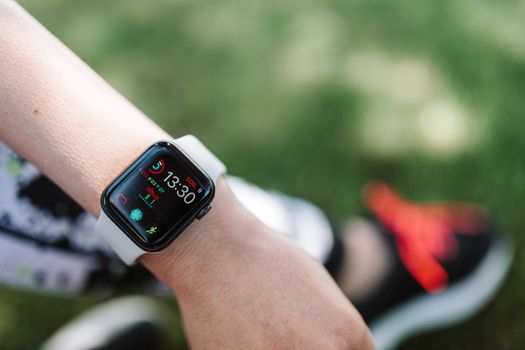
Ternus joined Apple in 2001 and has been part of the teams behind some of the company's most iconic hardware milestones, from the M-series Apple Silicon chips to the redesigned MacBook Pros and the Apple Watch Ultra. He was elevated to Apple's executive team in 2020, becoming Senior Vice President of Hardware Engineering, a role that put him in charge of virtually every physical product Apple ships.
He is, by most accounts, the anti-celebrity executive: deeply technical, rarely in the press, and focused on craft over narrative. In a company famous for its keynote theatrics, Ternus is the guy who made sure the hinge on your MacBook actually works.
What This Means for Apple's Strategy
The choice of a hardware leader comes at an interesting inflection point. Under Cook, Apple leaned heavily into services, the App Store, Apple Music, iCloud, Apple TV+, and Apple Pay became enormous revenue engines, padding margins even as iPhone upgrade cycles lengthened.
But that services flywheel depends entirely on a massive installed base of active devices. If hardware stagnates, the whole model is at risk.
Ternus's appointment suggests Apple's board sees a new hardware wave coming, and wants someone at the helm who can execute it. The likely frontier: spatial computing.
Apple Vision Pro launched under Cook to significant fanfare and significant skepticism. A $3,500 headset is not yet a mass-market product. But the underlying technology, eye tracking, real-time depth sensing, on-device AI processing, points toward where personal computing may be heading. Getting that form factor right, getting the price down, and making it something people actually want to wear is exactly the kind of hardware problem Ternus has spent his career solving.
AI Hardware as the Next Frontier
There's also the question of AI. While competitors like Google and Microsoft have raced to embed generative AI into software products, Apple has taken a more measured, hardware-anchored approach, building on-device processing into its chips rather than routing everything through the cloud.
With Ternus at the top, expect that philosophy to deepen. Apple Intelligence, the company's branded AI suite, will likely continue to differentiate itself through tight integration with Apple Silicon rather than trying to out-chat OpenAI.
A Quiet Revolution
Ternus is not a loud visionary in the Jobs mould. He will not give speeches about putting a dent in the universe. But the decisions he makes, about what Apple builds next, how it's engineered, and what gets left on the cutting room floor, will shape how billions of people interact with technology in the years ahead.
For an industry watching Apple's every move, the message from this appointment is clear: the next big thing at Apple will be something you can touch.
Source: TechCrunch