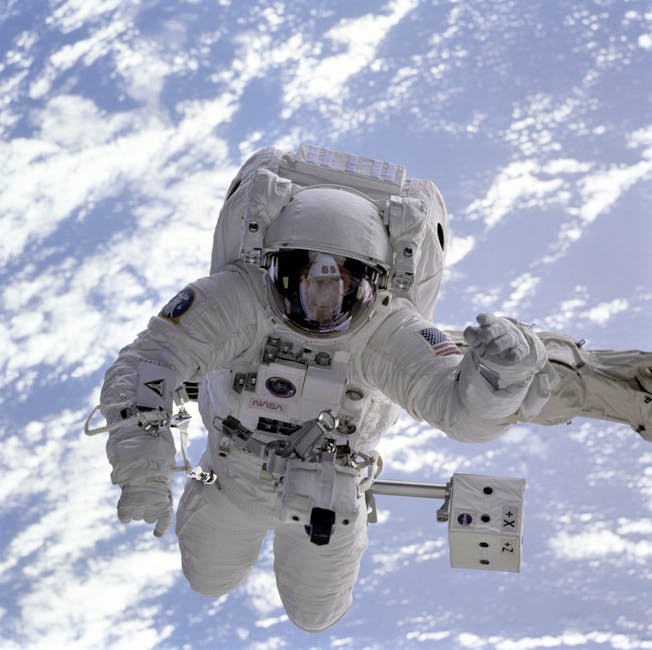
A First in 25 Years
In January 2026, the International Space Station recorded its first-ever medical evacuation in 25 years of continuous human habitation. Astronaut Mike Fincke was brought home after experiencing a non-life-threatening health issue that required diagnosis and treatment only available on the ground. NASA declined to release specifics for privacy reasons, but Fincke has since reported a full recovery.
The incident brought renewed attention to a challenge that space agencies have long been quietly grappling with: what happens when an astronaut gets seriously ill far from Earth?
Calling 911 Is Not an Option
The ISS is close enough to Earth that an emergency return remains feasible within hours. But as NASA and other agencies push toward longer missions to the Moon and eventually Mars, that safety net disappears. A return from the Moon takes three days; from Mars, the return window could be up to a year away.
"Calling 911 in space is not an option," as one researcher put it. "Future long-distance space travelers will be on their own."
NASA has responded with an initiative called Earth-Independent Medical Operations (EIMO), aimed at giving astronauts the tools and training to manage health emergencies without real-time guidance from flight surgeons on the ground.
Blood Clots and Microgravity
One of the more alarming discoveries in recent years came from researchers at Simon Fraser University, who found a blood clot in a female astronaut's neck during a 2019 mission. Subsequent research, published in Acta Astronautica, revealed that blood clots formed in microgravity are stronger and more resistant to breakdown than those formed on Earth, a troubling finding given that a clot near the brain could cause a stroke.
In weightlessness, fluid redistribution in the body creates the well-known "puffy face, bird legs" effect, but it also places unusual stress on the circulatory system in ways researchers are still working to understand.
Vision Loss: A Growing Concern
Canadian astronaut Bob Thirsk was among the first to publicly describe vision deterioration during his 2009 mission aboard the ISS. The condition is now formally known as Space-Associated Neuro-Ocular Syndrome, or SANS, and research suggests up to 70% of astronauts on extended missions experience some degree of it.
SANS is caused by fluid pressure changes in the skull that affect the optic nerve, and while most cases resolve after return to Earth, the long-term implications for multi-year Mars missions remain unclear.
Injuries Are More Common Than You'd Think
A 2009 NASA study documented 219 in-flight musculoskeletal injuries, mostly affecting the hands, with exercise equipment identified as the leading culprit. Space stations require astronauts to exercise for up to two hours a day to counter muscle and bone loss, but that very equipment carries its own risks.
Looking Ahead
The ISS is reasonably well-equipped with a pharmacy, portable ultrasound, biomonitors, and round-the-clock access to flight surgeons. But preparing astronauts to handle a heart attack, a broken bone, or major surgery autonomously on a 30-month round trip to Mars is a fundamentally different challenge, one that scientists around the world are now treating with increasing urgency.
Source: CBC Technology / Quirks & Quarks