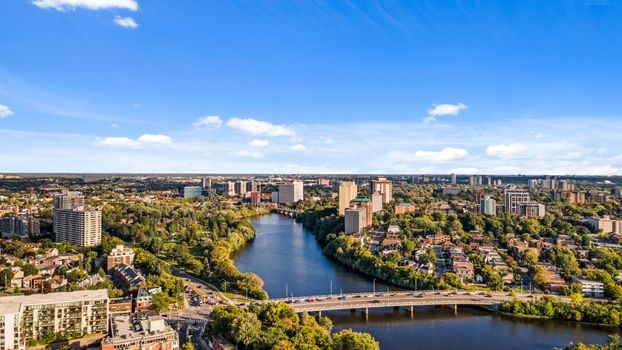
Barrhaven is Ottawa's biggest suburb, and one of its most misunderstood. Critics write it off as a car-dependent sprawl. Residents mostly roll their eyes and get on with it. The truth is somewhere more interesting. Here's what it's actually like to live in Barrhaven in 2026.
Who Lives Here
Barrhaven runs on young families and first-time buyers. The demographic profile is strikingly consistent: couples in their late 20s to early 40s, two incomes, one or more kids, often a dog, a minivan or SUV in the driveway. There are pockets of older residents in the more established sections, but the dominant vibe is new-ish family formation. This shapes everything from the restaurant scene to the trail culture to the rhythm of the neighbourhood week.
Day-to-Day Life
Life in Barrhaven is convenient in ways that matter to families. Schools, parks, grocery stores, medical clinics, gyms, daycare centres, everything is close, accessible, and abundant. The suburb is designed for the practical demands of family life, and it delivers on that. You won't need to drive across Ottawa for a dentist appointment or a swim lesson.
The downside is that "everything" in Barrhaven tends to mean chain retail and big-box stores. Independent businesses exist and are growing, but the commercial landscape is still dominated by franchises and national retailers. For specialty shopping, arts, or genuine urban amenities, you're making a trip.
The Commute Question
Here's the honest part: Barrhaven is car-dependent. Yes, OC Transpo runs services including the Barrhaven Transit Centre, which connects to the Transitway and eventually the LRT network downtown. And yes, many residents use it. But the suburb's layout, spread out, oriented around arterial roads, with limited walkable nodes, means car ownership is essentially required for most households.