A Crisis in the Air
If you have a flight booked this summer, whether you're heading to Europe or catching a domestic connection, now is the time to pay attention. The head of the International Energy Agency (IEA) issued a stark warning Thursday: Europe has "maybe six weeks" of jet fuel left if oil supplies continue to be throttled by ongoing conflict, and flight cancellations could come "soon."
For Canadian travellers, that's not an abstract overseas problem. It's a direct threat to summer travel plans, transatlantic routes, and the cost of every ticket sold.
What's Driving the Shortage
The warning comes amid a war squeezing global oil supply chains in ways the aviation industry hasn't seen before. Experts are calling the situation "unprecedented", a word that gets overused until it doesn't, and this time, the IEA's top official is applying it seriously.
Jet fuel is a refined petroleum product, and when crude supply gets disrupted at the scale we're seeing now, refineries can't simply pivot overnight. The supply chain for aviation fuel is long, complex, and not built for sudden shocks of this magnitude.
What It Means for Your Flight
For Canadian passengers, there are a few near-term realities to prepare for:
Higher fares. Fuel is one of the largest operating costs for airlines. When it gets expensive or scarce, that cost gets passed to consumers, and quickly. Expect to see ticket prices climb, particularly on transatlantic and long-haul routes.
Possible cancellations. If European airports face fuel shortfalls, airlines may consolidate routes, cancel less-profitable flights, or ground aircraft to stretch supply. This could affect Canadians flying into or through European hubs.
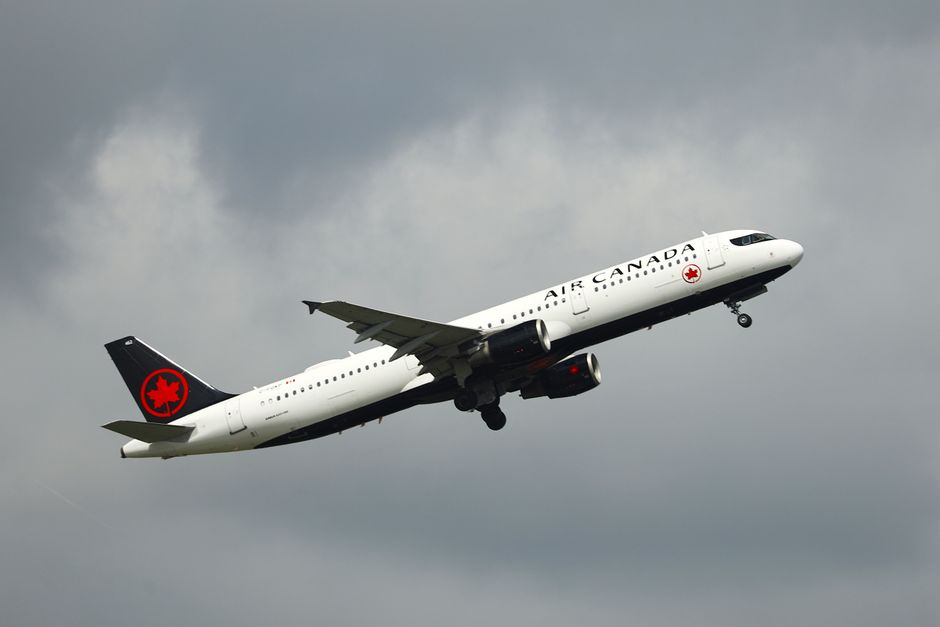
Domestic ripple effects. Canada's major carriers, Air Canada and WestJet among them, operate globally and source fuel from international markets. A sustained shortage abroad doesn't stay abroad for long.
What Should You Do?
Travel insurance that covers trip disruptions is worth revisiting if you have summer plans already booked. If you haven't booked yet, locking in fares sooner rather than later may be the smarter move, prices are likely to move upward, not down, if the crisis deepens.
For those with flexibility, domestic Canadian destinations are a genuine option. Canada has no shortage of spectacular summer travel, and your fuel dollars stay a lot closer to home.
The Bigger Picture
This is a reminder that air travel, even a domestic hop from Toronto to Vancouver, is tightly woven into global supply chains that can fray quickly when geopolitical stress peaks. The aviation industry has weathered fuel crunches before, but the speed and scale of this warning is unusual.
Experts and the IEA are urging governments and airlines to act fast. In the meantime, the advice for consumers is simple: stay informed, check your bookings, and don't assume the disruptions will sort themselves out before your departure date.
Source: CBC Business via RSS. Original reporting by CBC News.

