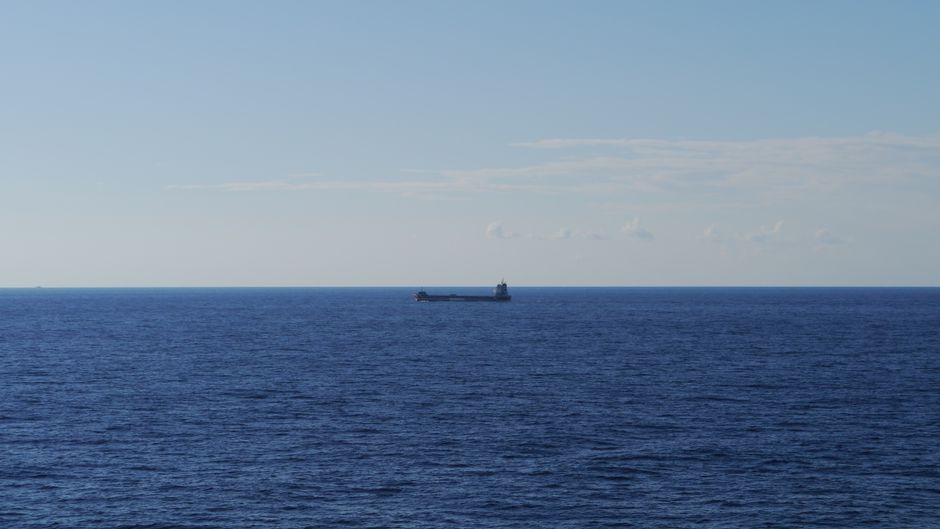
Canada Steps Up on Strait of Hormuz
Canada has joined a chorus of Western allies declaring readiness to intervene militarily or diplomatically to keep the Strait of Hormuz open, as escalating tensions in the Middle East have caused oil prices to spike sharply on global markets.
The Strait of Hormuz, a narrow waterway between Iran and Oman, is one of the most critical chokepoints in the world energy system. Roughly 20 percent of the world's oil supply passes through it daily. Any disruption, even a threatened one, sends shockwaves through energy markets almost instantly.
Why This Matters for Canada
Canada is both a major oil producer and a major oil consumer, which puts the country in a uniquely complicated position. On one hand, higher global oil prices can benefit Alberta's energy sector and boost federal royalty revenues. On the other hand, Canadians filling up at the pump or paying heating bills feel the pinch almost immediately when crude prices climb.
The federal government has been walking a careful line, signalling solidarity with allies like the United States, the United Kingdom, and France, while also managing domestic economic concerns tied to energy affordability.
Canadian naval and diplomatic assets have historically participated in multinational maritime security operations in the Persian Gulf region, and officials have suggested that existing frameworks could be activated quickly if the situation deteriorates further.
Oil Prices Already on the Move
Even before any military action, the mere possibility of a Hormuz blockage has been enough to push crude benchmarks higher. Brent crude and West Texas Intermediate both saw notable jumps in recent trading sessions, with analysts warning that a sustained disruption could send prices significantly higher.
For Canadian consumers, higher crude prices tend to translate into higher gasoline prices within days. With inflation already a politically sensitive issue, Ottawa will be watching the situation closely.
Canada's Diplomatic Stance
Foreign affairs officials have emphasized that Canada's preference is for a diplomatic resolution, but that protecting freedom of navigation remains a core principle. Canada has long been a contributor to Combined Maritime Forces, the multinational coalition that patrols Gulf waters, making any renewed commitment a natural extension of existing obligations rather than a dramatic new escalation.
Analysts note that Canada's participation also carries symbolic weight. It signals that the alliance response to potential Hormuz disruption is broad-based, not simply a U.S.-led operation.
What Comes Next
The situation remains fluid. Much depends on whether tensions in the region de-escalate through back-channel diplomacy or continue to build. Energy markets will be watching every headline, and so will Canadian consumers and businesses that depend on stable fuel prices.
For a country deeply integrated into both global energy markets and Western security alliances, Canada has relatively little room to sit on the sidelines, and the government appears to understand that.
Source: CTV News. This article is based on reporting from CTV News Canada.

