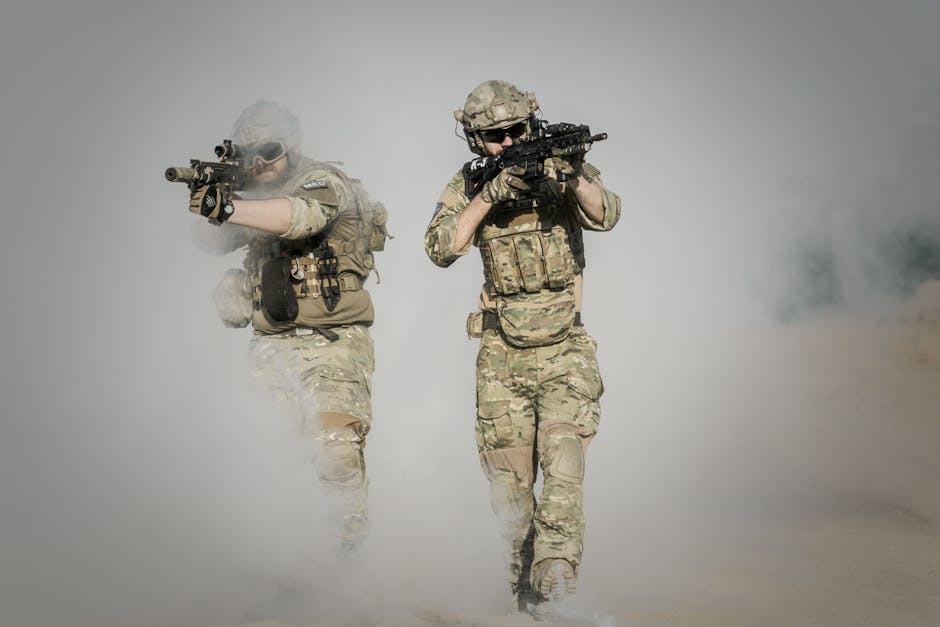
Canada Pulls Troops from Iraq in NATO Drawdown
Canadian Armed Forces members have been withdrawn from Iraq as part of a broader NATO decision to wind down its training mission in the country, CBC News reports. The pullout marks the end of a years-long Canadian military presence that was focused on advising and assisting Iraqi security forces.
NATO's mission in Iraq, formally known as NATO Mission Iraq (NMI), was established in 2018 at the request of the Iraqi government and gradually expanded its footprint across the country. Canada was one of several alliance members contributing personnel to the non-combat advisory role.
What the Mission Involved
Canadian troops stationed in Iraq were primarily involved in training and capacity-building efforts with Iraqi security forces, not frontline combat. The mission was part of Canada's broader commitment to NATO alliance operations and to stabilizing a region that had seen intense conflict following the rise and defeat of ISIS.
The withdrawal comes amid shifting security dynamics in the region and follows ongoing discussions between Iraq and the U.S.-led coalition about the long-term presence of foreign forces on Iraqi soil.
A Broader NATO Realignment
The pullout of NATO troops, including Canadians, reflects a wider strategic reassessment by the alliance. European security concerns, particularly following Russia's invasion of Ukraine, have prompted NATO members to reconsider where and how they deploy resources. Canada, like other alliance nations, has been increasingly focused on European commitments under Article 5 obligations.
Canada has contributed forces to NATO's Enhanced Forward Presence in Latvia, and the government has signalled a continued focus on Euro-Atlantic security as a top priority.
Ottawa's Role in Canada's Defence Posture
Decisions about troop deployments flow directly from National Defence Headquarters in Ottawa, where military and civilian leadership coordinate Canada's international commitments. The withdrawal from Iraq will be processed through the chain of command centered in the capital, and returning personnel will be reintegrated into their home units across the country.
Canada's ongoing defence spending debate, a hot-button issue in Ottawa political circles, adds context to the pullout. As pressure mounts from NATO allies for Canada to hit the 2% GDP defence spending target, decisions about where to commit forces carry increasing political weight.
What Comes Next
It remains to be seen whether Canada will redirect the personnel and resources previously committed to Iraq toward other missions. NATO continues to operate in various capacities across Europe and remains engaged in advising partner nations globally.
For the Canadian service members returning home, the end of the Iraq mission closes a chapter in Canada's post-9/11 military engagement in the Middle East, one that has spanned multiple governments and strategic frameworks.
Source: CBC News. This article is based on reporting from CBC.

