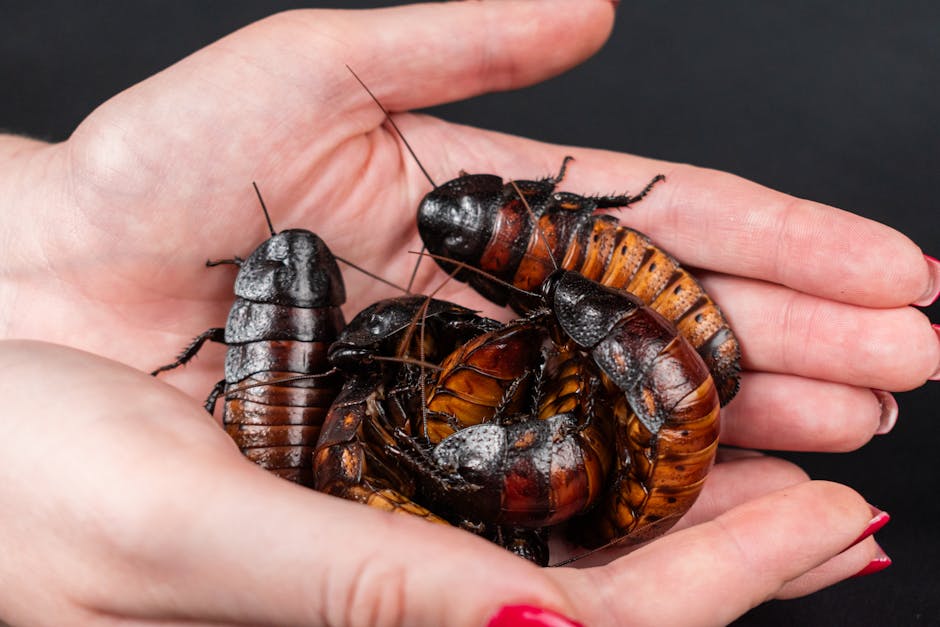
More Than 100,000 Cockroaches Stopped at the Border
In one of the more unusual biosecurity busts in recent memory, Australian border authorities intercepted a shipment of over 100,000 live cockroaches that were being smuggled into the country without declaration. The insects, considered an illegal import under Australia's strict agricultural protection laws, were confiscated before they could enter the country's ecosystem.
Australia's biosecurity regime is among the most rigorous in the world, and for good reason. The country's isolated geography means it has evolved a unique set of native species that are highly vulnerable to introduced pests and diseases. A single invasive insect species, if established, can devastate agriculture, horticulture, and wildlife on a massive scale.
Why Biosecurity Laws Exist
Anyone caught smuggling undeclared or prohibited animal, insect, or plant material into Australia can face fines of thousands of dollars, and potentially criminal charges depending on the scale and intent of the smuggling.
The rules exist to protect farmers, growers, and the natural environment from pest infestations that would otherwise be nearly impossible to contain once established. Past invasive species disasters, from cane toads to fire ants, have cost Australia billions in economic damage and environmental harm.
A Reminder Closer to Home
While this particular story unfolded in Australia, the principles behind it resonate deeply in Canada as well. The Canadian Food Inspection Agency (CFIA) and the Canada Border Services Agency (CBSA) enforce similarly strict rules around what travellers can bring across the border.
Fruits, vegetables, soil, live animals, and insects are all subject to declaration and inspection requirements when entering Canada. Violations can result in hefty fines, and in some cases, seized items are destroyed on the spot.
Canadian agriculture is a multi-billion-dollar industry, and protecting it from foreign pests and diseases is a year-round effort. Whether it's invasive spotted lanternflies creeping up from the United States or exotic pathogens hitching a ride on undeclared plant material, biosecurity threats are a genuine concern north of the border too.
The Exotic Pet Trade Factor
Some experts believe that smuggled insects like these cockroaches may be destined for the exotic pet trade, certain large cockroach species are kept as pets or used as feeder insects for reptiles and other animals. While this may seem harmless, the introduction of non-native insect species into a new environment carries real ecological risk.
If even a small number of specimens escape or are released into the wild, they can establish breeding populations that compete with native species, spread disease, or disrupt local food chains.
The Bottom Line
It's a strange story, but it carries a straightforward message: biosecurity laws aren't bureaucratic red tape. They're a critical line of defence for the food systems and natural environments that communities depend on. Whether you're arriving in Sydney or Toronto, what you bring across the border matters.
Source: CBC News Top Stories