A Wildlife Researcher in Hot Water
It sounds like the setup to a legal riddle: a biologist goes into the field to study an endangered herd of caribou in northern British Columbia, fires a shot, and ends up disciplined for hunting. But that's essentially what happened, and B.C.'s Environmental Appeal Board has now upheld the decision to punish him for it.
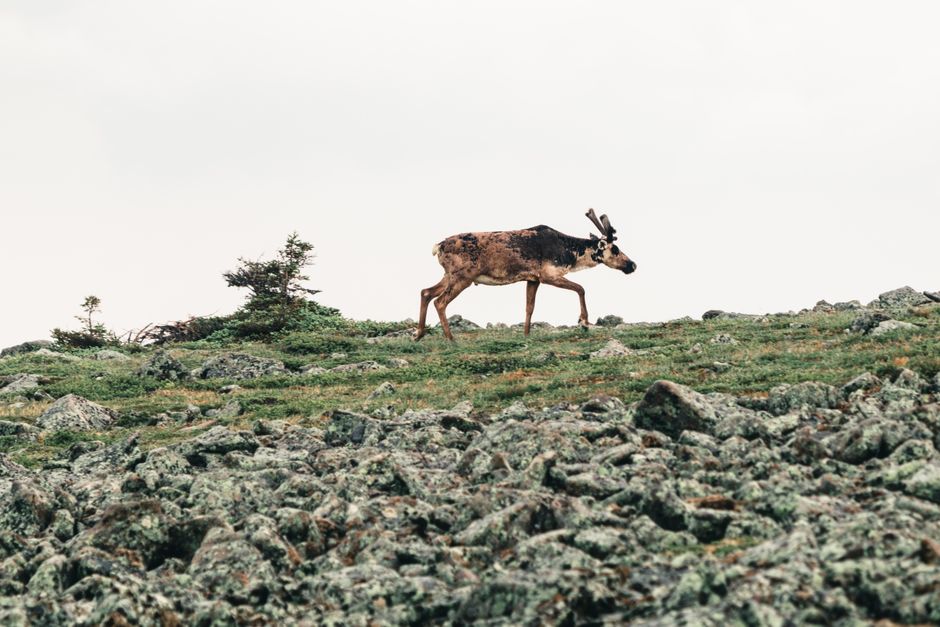
The case centres on a wildlife biologist who was conducting fieldwork on a struggling caribou population in northern B.C. To gather genetic data, he used a method of firing at the animals to collect hair samples, a technique used in wildlife research to obtain DNA without physically capturing or killing the subject. No caribou were harmed. The goal was conservation science.
But provincial wildlife authorities didn't see it that way.
What Counts as 'Hunting'?
The core legal question before the Environmental Appeal Board was deceptively simple: does shooting at an animal, even without killing it, and even in the name of science, constitute "hunting" under B.C. law?
The board ruled that it does. The biologist was found to have violated provincial wildlife regulations, and the appeal board upheld that finding, rejecting his argument that the activity was a legitimate form of research exempt from hunting rules.
The ruling has sent ripples through the wildlife biology community in Canada. Researchers who study large mammals in remote regions often rely on minimally invasive techniques, including hair snares, remote cameras, and yes, projectile-based sample collection, to gather genetic and health data without the cost and risk of live capture operations.
Why This Matters for Conservation
Caribou are a species under serious pressure across Canada. Multiple herds, particularly in B.C., Alberta, and the territories, are listed as threatened or endangered under the federal Species at Risk Act. DNA sampling is a critical tool for understanding herd structure, genetic diversity, and population health, all of which inform recovery planning.
Conservation advocates worry that rulings like this one could chill legitimate field research, making biologists hesitant to use proven, non-lethal methods out of fear of regulatory consequences.
At the same time, wildlife regulators argue that any act of pursuing or shooting toward a wild animal, regardless of intent, must be subject to oversight and permitting. The concern is that without clear limits, the "it's for science" defence could be misused.
A Grey Zone in Canadian Wildlife Law
This case highlights a genuine gap in how Canadian wildlife law treats scientific fieldwork. Most provinces issue research permits that allow biologists to handle, capture, or collect samples from protected species, but the precise boundaries of what's permitted under those permits isn't always clear.
Legal observers say the B.C. ruling could prompt provinces to revisit their permitting frameworks to provide clearer guidance for researchers, preventing well-intentioned scientists from inadvertently crossing legal lines while doing vital conservation work.
For now, the B.C. biologist faces the consequences of a ruling that many of his peers find troubling, a cautionary tale about the need for better-defined rules at the intersection of science, law, and wildlife protection.
Source: CBC News. Read the original story at cbc.ca.

