A Quieter Ferry Isn't Enough
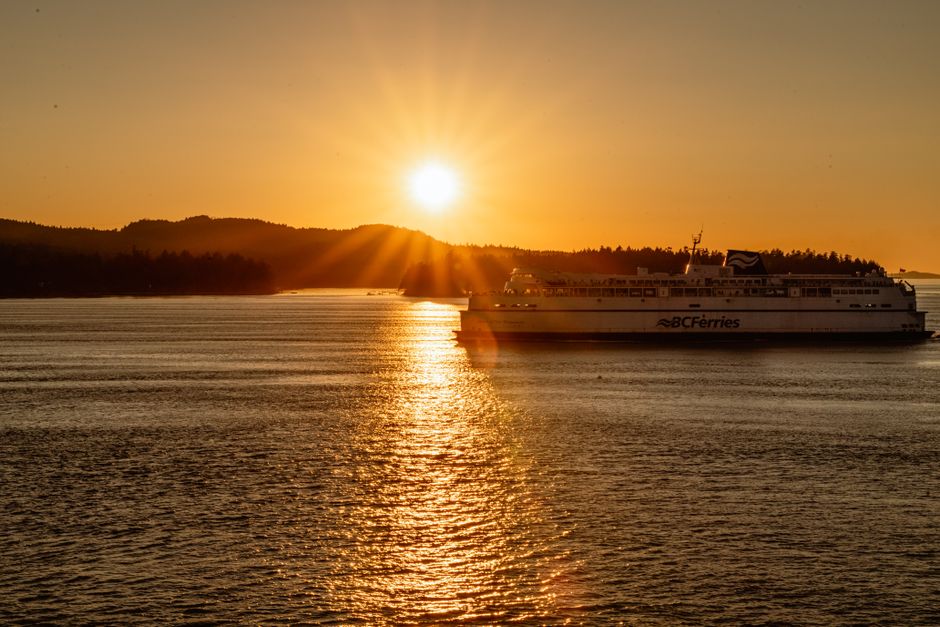
British Columbia is moving forward with a new all-electric passenger ferry that promises to dramatically reduce underwater noise pollution, a genuine win for marine life along one of Canada's most ecologically rich coastlines. But marine mammal researchers and wildlife experts are sounding the alarm: while the new vessel will cut acoustic disturbance, it may actually increase the risk of deadly collisions with humpback whales.
The concern is counterintuitive but real. Electric motors run near-silently, which means whales can no longer hear a vessel approaching. Traditional diesel-powered ferries, for all their acoustic pollution, at least give whales an auditory warning. With electric propulsion, that sonic cue disappears, and a 200-tonne ferry moving at speed becomes an invisible threat.
Three Dead Whales This Year
The stakes couldn't be higher. Three humpback whales have already been killed by vessel strikes in B.C. waters this year, a grim toll that has rattled conservation groups and government researchers alike. Humpbacks have made a remarkable recovery in Pacific Canadian waters over recent decades, rebounding from near-extinction during the commercial whaling era. But vessel strikes remain one of the leading causes of human-caused mortality for the species.
Marine mammal experts note that B.C.'s coastal ferry routes run directly through critical humpback habitat, particularly in the Salish Sea and along the Inside Passage. As ferry traffic increases and vessels get faster, electric or otherwise, the overlap between shipping lanes and whale feeding grounds becomes more dangerous.
What Would Actually Help
Researchers are calling for a package of mitigation measures that go beyond propulsion technology. Speed restrictions in known whale areas, real-time whale detection systems using hydrophones and aerial monitoring, and mandatory reporting of near-misses are all being floated as necessary additions.
Some advocates are pointing to the voluntary slowdown zones already in place for large commercial ships as a model that could be expanded to ferry routes. Studies have shown speed reductions from 15 knots to 10 knots can cut collision mortality risk by more than 50 percent.
The electric ferry itself is still a meaningful step forward. Chronic underwater noise from diesel engines disrupts whale communication, navigation, and feeding behaviour across vast stretches of ocean. Reducing that background roar matters for the long-term health of B.C.'s marine ecosystem.
A Balancing Act for B.C.'s Coasts
The situation reflects a broader tension in Canada's push toward greener transportation: the environmental benefits of electrification are real, but they don't automatically solve every ecological problem: and in some cases, they can introduce new ones.
For humpbacks off B.C., the message from scientists is clear: celebrate the quieter ferry, but don't mistake it for a solution. Protecting these whales will require smarter routing, slower speeds, and better real-time monitoring, not just a cleaner engine.
Source: CBC News

