A Major Economic Pact for B.C.
British Columbia and the federal government in Ottawa have struck a multibillion-dollar economic agreement that manages to thread a delicate needle: keeping the North Coast oil tanker ban firmly in place while simultaneously unlocking a major expansion of the Port of Vancouver.
The announcement came Thursday, with B.C. Premier David Eby's office calling the deal a package that "will power decades of job growth and prosperity" for the province. It represents one of the more significant federal-provincial economic agreements in recent memory, touching on energy policy, trade infrastructure, and environmental protections all at once.
What's in the Deal
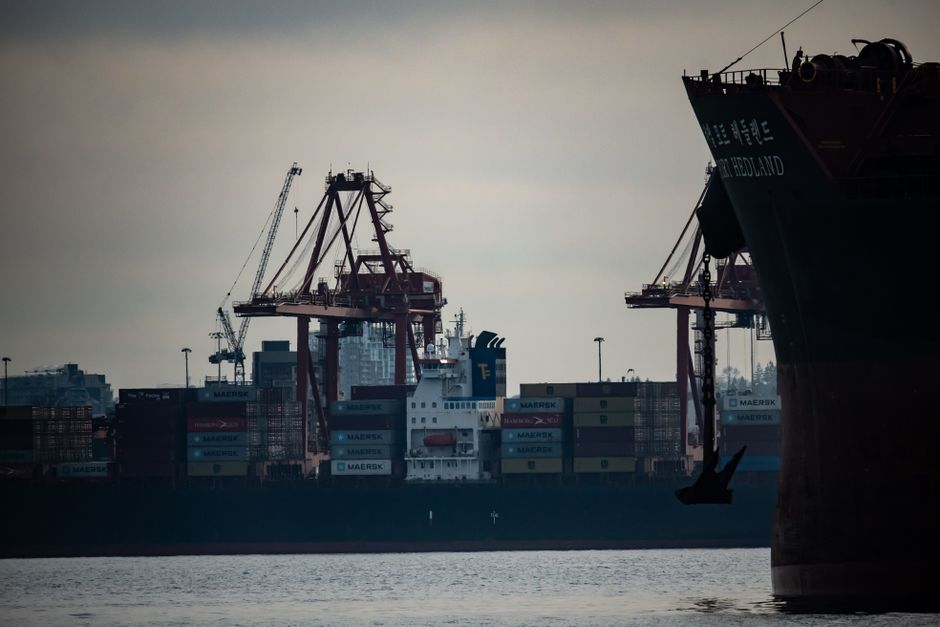
At the heart of the agreement is a commitment to expand the Port of Vancouver, already one of the busiest ports in North America, through substantial new investment. The expansion is expected to increase the port's capacity to handle goods flowing in and out of Canada's Pacific gateway, strengthening trade links with Asia and beyond.
Critically, the deal keeps the moratorium on crude oil tanker traffic along B.C.'s North Coast intact. The tanker ban, which covers the waters north of Vancouver Island including the sensitive Hecate Strait and Dixon Entrance, has long been a priority for B.C. and Indigenous communities in the region who have fought to protect the coastline from the risk of spills.
Alberta's Pipeline Proposal Looms in the Background
The timing of the announcement is notable. It came just as Alberta was preparing to update its own West Coast pipeline proposal, a project that has historically been at odds with B.C.'s tanker ban ambitions. By locking in the tanker moratorium as part of this new deal, Ottawa and Victoria have effectively set the parameters for any future pipeline conversation that involves Pacific tidewater access.
The interplay between these competing provincial interests. B.C.'s environmental protections and Alberta's desire for export routes, has been one of the defining tensions in Canadian energy policy for years. This agreement doesn't end that debate, but it does draw a clearer line on where the federal government stands.
Jobs and Long-Term Growth
Beyond energy politics, the agreement is framed primarily as an economic development package. Port expansion projects of this scale typically generate thousands of construction jobs in the short term and sustained employment in logistics, shipping, and trade services over the long haul.
For B.C., which has been navigating economic uncertainty tied to shifting trade relationships, particularly with the United States amid ongoing tariff pressures, having a firm federal commitment to invest in trade infrastructure is significant.
Federal Commitment to the Regions
From Ottawa's perspective, the deal reflects the Carney government's approach to regional economic partnerships: big-ticket investments paired with environmental guardrails. It's a formula the federal government has been road-testing in several provinces as it works to build a national economic narrative around both growth and sustainability.
Whether the agreement satisfies Alberta or simply sets up another round of interprovincial negotiations remains to be seen. But for B.C. and the federal government, Thursday's announcement marks a significant step in shaping Canada's West Coast economic future.
Source: CBC Politics via RSS

