A Rare Visitor Meets a Dangerous Encounter
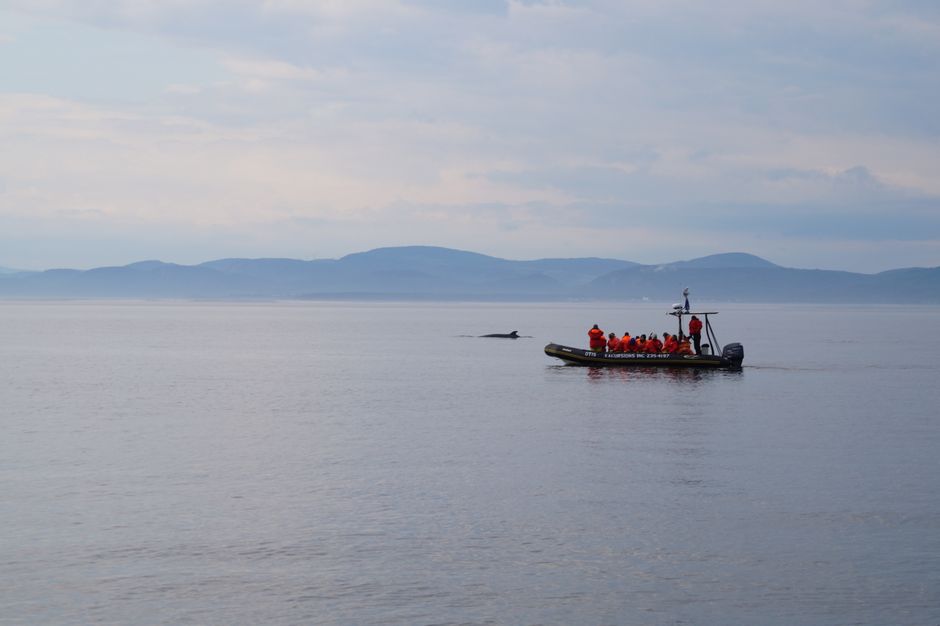
A grey whale made a remarkable, and ultimately alarming, appearance in the waters off Vancouver this week, captivating onlookers on social media before the situation took a troubling turn. On Monday, the whale was struck by a Sea-Doo operator, prompting conservation groups and marine authorities to issue urgent reminders about safe boating practices around marine mammals.
Grey whales are not commonly seen in B.C.'s southern coastal waters, making this sighting an unusual event. The whale's presence drew crowds of curious spectators, both on the water and watching from shore. But the excitement quickly gave way to concern after video of the collision circulated online.
What Canadian Boaters Need to Know
Under Canada's Fisheries Act and the Species at Risk Act, approaching a whale too closely is not just dangerous. It can be illegal. Here are the key rules for boaters sharing waters with marine mammals:
- Keep your distance. Transport Canada and Fisheries and Oceans Canada (DFO) recommend staying at least 100 metres away from whales, and 200 metres from endangered species like orcas.
- No pursuit. If a whale is moving in your direction, put your engine in neutral and wait for it to pass. Do not circle or chase.
- Slow down. High-speed watercraft like personal watercraft (PWCs), including Sea-Doos and Jet Skis, pose the greatest collision risk because of their speed and manoeuvrability in shallow coastal areas.
- Watch for surfacing. Whales surface unpredictably. Operators should scan the water well ahead, especially in known marine mammal areas.
- Report sightings. In B.C., boaters can report whale sightings to the BC Cetacean Sightings Network so others on the water can be alerted.
A Growing Concern as Boating Season Opens
With the spring and summer boating season now underway across Canada, marine safety officials are using the Vancouver incident as a teachable moment. Whale strikes are more common than many people realize, particularly in busy coastal areas of B.C., Nova Scotia, and the Gulf of St. Lawrence, where North Atlantic right whales face critical threats from vessel collisions and fishing gear entanglement.
Environment and Climate Change Canada has emphasized that vessel strikes are one of the leading human-caused threats to large whale populations. While grey whales are not listed as endangered, the incident highlights how quickly a rare and joyful sighting can become a tragedy for both animal and boater.
Enjoying the Water Responsibly
Marine wildlife encounters are one of the genuine thrills of life on Canada's coasts, but they come with responsibility. Boating education courses offered through the Canadian Safe Boating Council cover marine mammal awareness as part of broader safety training, and are strongly recommended for anyone operating a PWC or powerboat in coastal waters.
Authorities are continuing to monitor the whale's condition following Monday's strike. Conservation organizations are urging the public to share the incident widely, not to shame the operator, but to ensure that this boating season, more Canadians head out on the water informed and prepared.
Source: CBC News British Columbia

