A Fiery Setback for Blue Origin
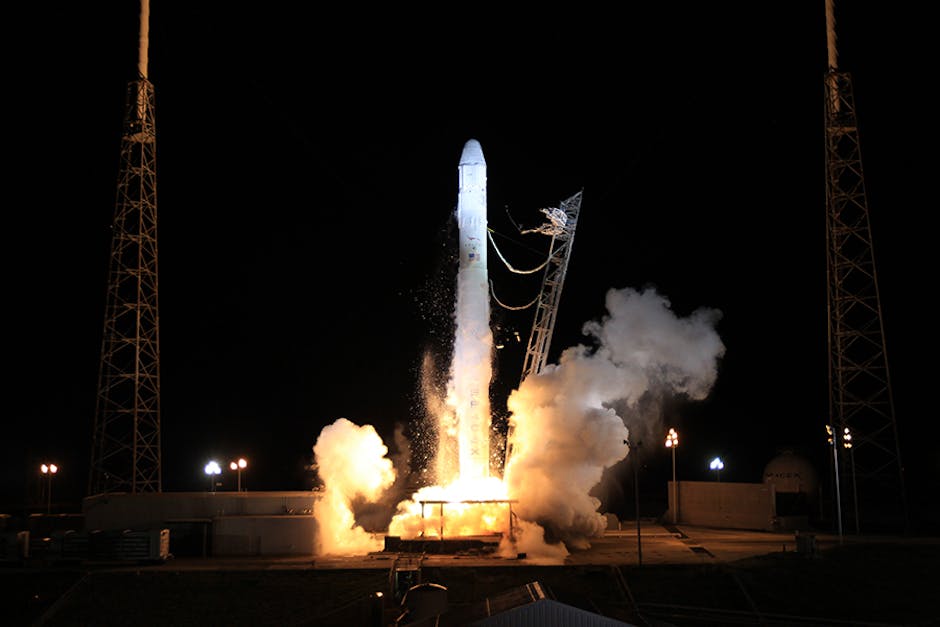
Jeff Bezos' space venture Blue Origin suffered a major blow Thursday when its New Glenn rocket exploded on the launchpad at Cape Canaveral, Florida during a test. The uncrewed vehicle was destroyed before ever leaving the ground, a dramatic and costly failure for a company that has long been trying to catch up to Elon Musk's dominant SpaceX.
Footage of the explosion quickly circulated online, showing a massive fireball engulfing the launchpad. No injuries were reported, as the test was uncrewed, but the incident raises serious questions about Blue Origin's timeline and its ability to compete for the lucrative government and commercial launch contracts that have made SpaceX a juggernaut.
What's at Stake in the Space Race
New Glenn, named after American astronaut John Glenn, has been Blue Origin's flagship orbital rocket, designed to carry heavy payloads to orbit. It represented the company's most serious bid yet to challenge SpaceX's Falcon 9 and eventually its Starship vehicle.
SpaceX, meanwhile, is preparing for a highly anticipated IPO, riding a wave of successful launches and contracts with NASA and the U.S. Department of Defense. Thursday's explosion widens that gap significantly, at least in the short term.
For Canadians, the commercial space industry is more than just a spectator sport. The Canadian Space Agency (CSA) has deep ties with international launch providers, and Canadian astronauts, including Jeremy Hansen, who is slated for NASA's Artemis II lunar flyby mission, depend on the reliability and competitiveness of the broader launch ecosystem.
A healthy, competitive commercial space sector generally means lower launch costs and more mission options for agencies like the CSA, which operates on a tighter budget than NASA or ESA.
What Happens Next for Blue Origin
Blue Origin has not yet issued a detailed statement on the cause of the explosion or a revised launch timeline. Rocket failures during testing are not uncommon, SpaceX itself had numerous early-stage failures before achieving its current success rate, but the timing is particularly painful given the competitive pressure the company faces.
Investigators will need to sift through the debris and data to determine the root cause before any future test can be scheduled. That process typically takes weeks to months, meaning Blue Origin's plans for operational launches could be pushed back significantly.
For space enthusiasts in Canada and around the world, Thursday's explosion is a reminder that getting to orbit is still brutally hard, and that the commercial space race, for all its Silicon Valley bravado, is played out against the unforgiving physics of rocket science.
Source: CBC News / CBC Top Stories RSS

