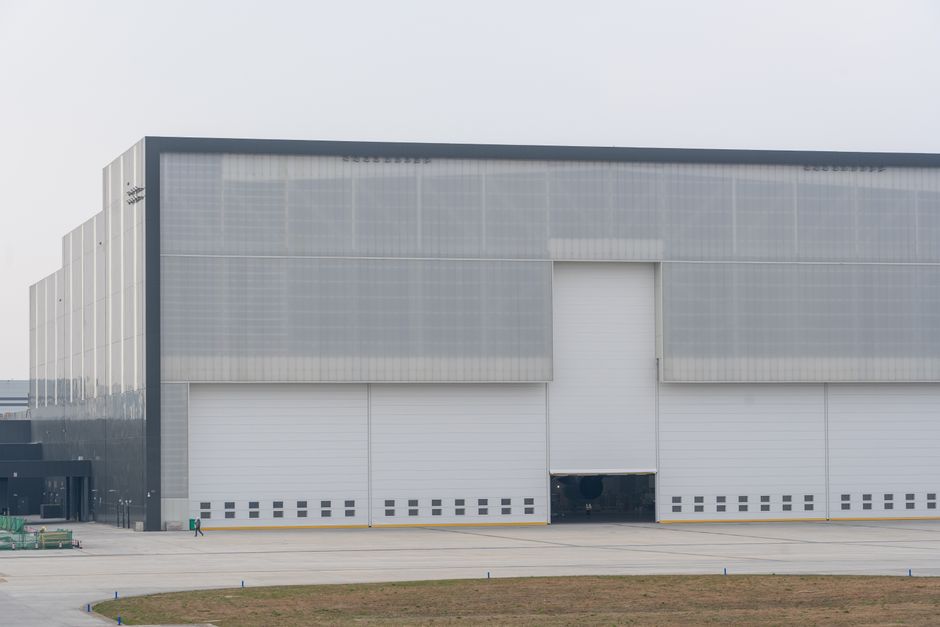
A Quiet Prairie Town at the Centre of Canada's Data Boom
Brooks, Alberta, a city of about 15,000 best known as home to one of Canada's largest beef processing plants, is now at the centre of a very different kind of industrial story. A large-scale data centre megaproject is planned for land near the community, and residents are only just beginning to learn what that might mean for their daily lives.
The project, while substantial in scale, has remained largely confidential in its details: a fact that has left many locals feeling in the dark about what's coming. In response, municipal officials have moved to update local bylaws and launched an education initiative aimed at walking residents through the potential benefits, risks, and mitigation strategies tied to hosting such a facility.
What Is a Data Centre Megaproject, Exactly?
Data centres are the backbone of the digital economy, massive warehouses packed with servers that store and process everything from streaming video to AI model training. As demand for artificial intelligence, cloud computing, and digital services explodes globally, companies are racing to build new facilities across North America.
Canada has become an increasingly attractive destination for this infrastructure, thanks to relatively affordable land, cooler climates that help with server cooling costs, and access to renewable energy sources. Alberta in particular has drawn interest from developers looking to take advantage of its deregulated electricity market and available land.
Megaproject-scale facilities can span hundreds of thousands of square feet and draw enormous amounts of power, sometimes equivalent to a small city. That scale is precisely what has residents asking questions.
Community Concerns and the Push for Transparency
For Brooks residents living near the proposed site, the confidential nature of the project has been a sticking point. Large industrial developments of this kind can bring significant changes, increased truck traffic, altered local power demand, visual impact on the landscape, and noise from cooling systems that run around the clock.
Local officials acknowledge the concerns and are working to get ahead of them. The bylaw updates are designed to give the municipality more tools to manage how such facilities operate within, or adjacent to, community boundaries. The education program, meanwhile, is meant to give residents a clearer picture of what to expect before shovels hit the ground.
On the upside, data centres can bring construction jobs, long-term technical employment, and a significant boost to local tax revenue, all appealing prospects for a mid-sized Alberta city looking to diversify its economic base beyond agriculture and food processing.
A National Story Playing Out Locally
Brooks isn't alone. Communities across Canada, from rural Ontario to British Columbia's Interior, are grappling with similar proposals as the data centre industry expands rapidly. The tension between economic opportunity and community impact is a familiar one, and it rarely has easy answers.
What makes Brooks notable is the proactive stance local leadership is taking: rather than letting the project unfold in silence, they're trying to bring residents into the conversation early. Whether that approach satisfies a community that's still waiting on the full details remains to be seen.
As Canada continues to position itself as a hub for digital infrastructure, stories like Brooks will become more common. The question isn't just where to build. It's how to build in a way that brings communities along for the ride.
Source: CBC News Calgary

