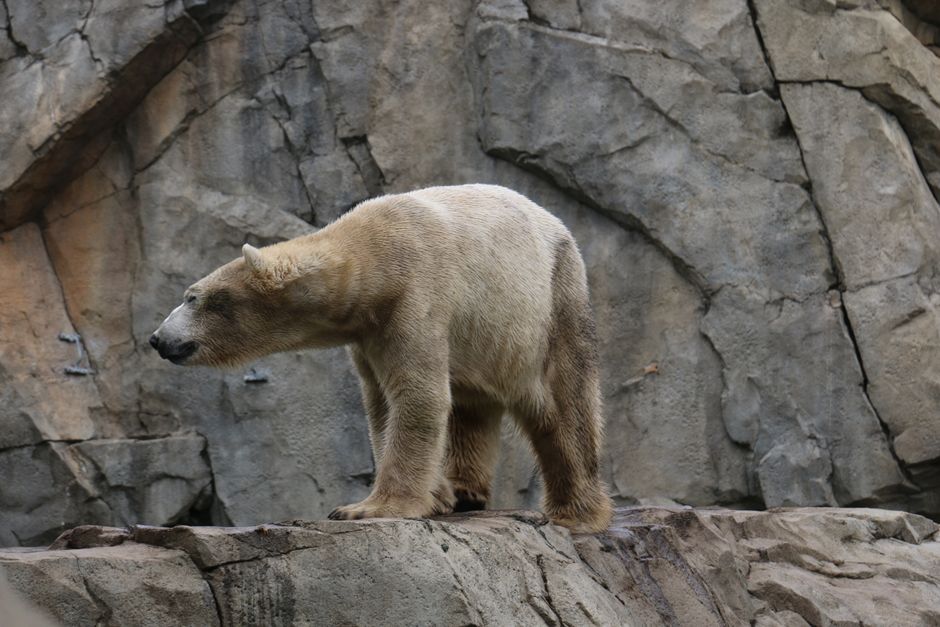
A nearly century-long relationship
The Calgary Zoo has been home to polar bears since the 1930s, making the iconic Arctic predators one of the longest-running attractions in the facility's history. But that long relationship hasn't always been a happy one. As CBC's Josiah Sinanan reports, the decades of polar bear care at the Alberta zoo have been punctuated by a series of mishaps, and, at times, the deaths of the animals themselves.
For generations of Canadians, a trip to the zoo meant a chance to see one of the country's most recognizable wild animals up close. Polar bears are deeply tied to Canada's national identity. They roam the Arctic and sub-Arctic, appear on the back of the toonie, and have become a global symbol of the North. That cultural weight has long made them a marquee draw for zoos across the country.
A record marked by mishaps
Keeping polar bears in captivity, however, has proven enormously difficult. The animals are massive, intelligent and built for vast ranges of sea ice and tundra, conditions that are nearly impossible to replicate behind enclosure walls. Over the decades, the Calgary Zoo's polar bear program saw incidents and losses that drew scrutiny over how the bears were housed and cared for.
Those difficulties aren't unique to Calgary. Zoos around the world have grappled with the challenge of meeting the physical and psychological needs of polar bears, animals that in the wild can travel hundreds of kilometres and dive into frigid open water. Critics have long argued that traditional enclosures simply can't measure up, and the standards for housing the species have evolved significantly over the years.
A commitment to new standards
According to CBC's reporting, the Calgary Zoo says it has committed to adhering to new, modern standards of care with the introduction of its latest polar bears. That marks a notable shift from the practices of earlier eras, when expectations around space, enrichment and welfare were far less rigorous than they are today.
The move reflects a broader change across the zoo world, where accredited facilities increasingly emphasize animal welfare, conservation and education over simple display. For polar bears in particular, a species facing mounting pressure from climate change and shrinking sea ice in the wild. That conservation role has taken on added urgency.
Why it matters
The story of the Calgary Zoo's polar bears is, in many ways, the story of how Canada's relationship with captive wildlife has matured. What was once accepted practice has given way to tougher standards, harder questions and a greater focus on whether, and how, such animals should be kept at all.
As the zoo welcomes its newest bears under these updated commitments, the coming years will test whether modern care can finally turn the page on a difficult chapter nearly a century in the making.
Source: CBC News, reporting by Josiah Sinanan.

