A New Chapter in Federal-Provincial Energy Relations
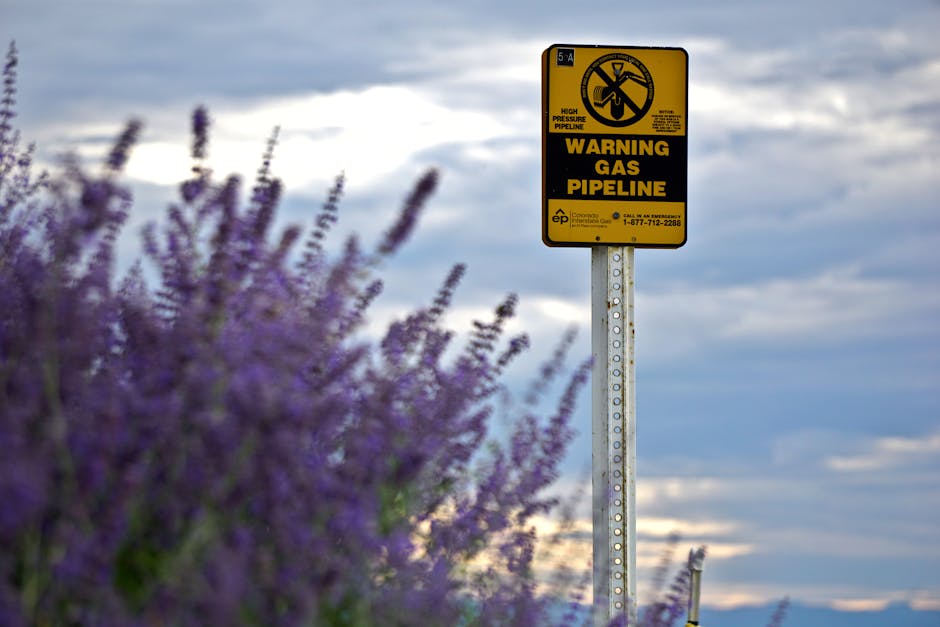
Canada's federal government and the province of Alberta have struck a major climate and energy agreement that could put a new oil pipeline to the Pacific Coast on the fast track, with construction potentially starting as early as September 2027.
Prime Minister Mark Carney and Alberta Premier Danielle Smith announced the memorandum of understanding (MOU) in what observers are calling one of the most significant shifts in federal-provincial energy relations in years. The deal signals a thaw between Ottawa and Calgary after years of friction over environmental policy and resource development.
What's in the Agreement
While full details of the MOU are still being released, the agreement is understood to cover both climate commitments and a pathway for new pipeline infrastructure to reach the West Coast. A tidewater pipeline would allow Canadian crude oil to reach Asian markets, a long-standing priority for Alberta's energy sector that has faced repeated regulatory and political hurdles.
The September 2027 construction timeline, if met, would represent unusually swift movement for a major energy infrastructure project in Canada. Trans Mountain's expansion, by comparison, took nearly a decade from approval to completion.
Why It Matters for Canada's Energy Future
Alberta produces the vast majority of Canada's oil and has long argued that access to Pacific markets is essential for getting fair prices for its resources. Current pipeline capacity forces most Alberta crude to flow south into the United States, where it often sells at a discount to global benchmarks.
A West Coast pipeline would diversify Canada's export markets and could generate billions in additional royalty and tax revenue, funds that flow not just to Alberta, but to federal coffers that support programs from coast to coast.
For Carney, who campaigned on a platform balancing economic growth with climate ambition, the deal represents an attempt to thread the needle between Alberta's resource economy and Canada's international climate commitments. The MOU reportedly includes climate conditions alongside the pipeline green light, details that will likely face scrutiny from both environmental groups and the energy sector.
Reactions Across the Country
Energy industry representatives welcomed the news as a pragmatic step forward. Environmental organizations are expected to push back, arguing that new fossil fuel infrastructure is incompatible with Canada's net-zero targets.
In Quebec and British Columbia, provinces that have historically opposed Pacific pipeline projects, the reaction is likely to be more cautious. Any pipeline route to the West Coast would require navigating complex Indigenous consultation processes and provincial approvals.
Indigenous leaders across British Columbia have already indicated they will be watching closely to see whether their communities are meaningfully consulted and whether equity ownership arrangements, a key demand from many First Nations, are part of any final agreement.
What Comes Next
An MOU is a statement of intent, not a binding contract. Significant regulatory, environmental, and political hurdles remain before a shovel hits the ground. Still, the fact that federal and provincial leaders are aligned on the goal is a meaningful development in a file that has divided Canadians for the better part of two decades.
As Canada navigates trade pressures and energy security concerns, the Carney-Smith deal may prove to be a defining early chapter in the new federal government's approach to resource development.
Source: CBC Politics via CBC News RSS feed

