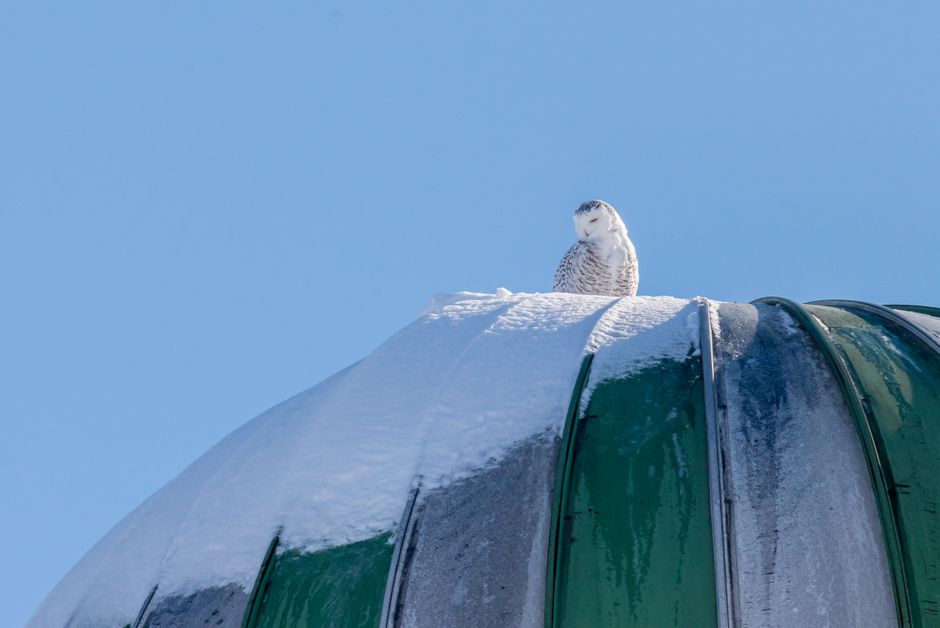
Meet Casper, B.C.'s Most Dedicated Foster Mom
Canada's wildlife rehabilitation community has a secret weapon, and she has feathers. Casper, a blind owl living at a wildlife rescue centre in British Columbia, has become one of the most remarkable foster mothers in the animal world, raising hundreds of rescued owlets as her own over the years.
Despite being unable to see, Casper has proven that motherhood is more instinct than eyesight. The owl currently has four owlets in her care, patiently teaching them the skills they'll need to thrive once released back into the wild.
How Foster Parenting Works for Owls
When baby owls are brought into wildlife rescue centres, often after falling from nests or being separated from their parents. They face a tricky problem. If they're raised too closely by humans, they can imprint on people, making it nearly impossible for them to survive independently in the wild.
That's where Casper comes in. By acting as a surrogate mother, she gives the owlets a real owl to bond with and learn from. The owlets pick up critical survival behaviours by watching and interacting with her, things like flying technique, hunting instincts, and crucially, a healthy wariness of humans.
That last one matters more than it might seem. An owl that isn't afraid of people is an owl that's more likely to approach humans, get hit by cars, or end up back in a rescue centre. Casper, by simply being an owl, teaches them that humans are something to avoid, a lesson no human caretaker can effectively deliver.
A Legacy Built One Owlet at a Time
Over her years at the rescue centre, Casper has fostered hundreds of owlets. Each one she's helped raise has gone on to be released into the wild, better equipped for survival because of her steady, patient presence.
Wildlife rehabilitators across Canada have increasingly turned to surrogate animal parents as a best practice for raising young animals intended for release. It reduces human imprinting, improves survival rates post-release, and, in Casper's case, creates a heartwarming ongoing story that reminds people why wildlife rescue matters.
Why Stories Like This Matter
Canada is home to dozens of dedicated wildlife rehabilitation centres, many of them volunteer-run and donation-dependent. Stories like Casper's do more than warm hearts. They raise awareness about the quiet, unglamorous work these organizations do year-round.
Every spring and summer, baby animals across Canada end up in need of help. Fledgling birds that look abandoned (but often aren't), orphaned fox kits, injured raptors. Local wildlife rescue centres are always in need of volunteers, donations, and public education about when to intervene, and when to leave well enough alone.
If Casper's story inspires you to get involved, look up your local wildlife rehabilitation centre. In the Ottawa area, the Ottawa Valley Wild Bird Care Centre accepts donations and volunteers year-round.
For now, Casper is busy, four owlets is a full nest by anyone's standard.
Source: CBC News, British Columbia. Read the original story.

