Global Affairs Canada has begun collecting DNA from the families of Canadians who remain unaccounted for following a devastating flash flood that struck the border region between Nepal and China last week.
What happened
Federal officials confirmed that the department is working directly with relatives to gather genetic samples, a step typically taken to assist with the identification of remains in the aftermath of a mass casualty disaster. The flood tore through the mountainous border area with little warning, and the scale of destruction has complicated recovery and identification efforts on the ground.
Global Affairs Canada has not released the exact number of Canadians still missing, citing privacy considerations for the families involved. The department says consular officials are in ongoing contact with those families as the search continues.
Why DNA collection matters
Collecting DNA from next of kin is a standard part of disaster victim identification protocols used by governments around the world. When remains are recovered in remote or heavily damaged terrain, visual identification often is not possible, and genetic matching becomes the most reliable way to confirm who has been found. The process can take weeks or even months, particularly in a region as difficult to access as the Nepal-China border.
Canadian officials are coordinating with local authorities in both Nepal and China, where search and rescue teams have been working through unstable terrain left behind by the flood. Flash floods in mountainous border regions are especially dangerous because they can wash away roads and bridges, cutting off access for emergency responders and slowing every stage of the response.
Federal government response
Global Affairs Canada has activated its emergency consular response for Canadians affected by the flood, a process that includes reaching out to registered travellers in the affected region and offering support to families back home. The department is urging any Canadian with concerns about a loved one who may have been travelling in the area to contact its emergency watch and response centre.
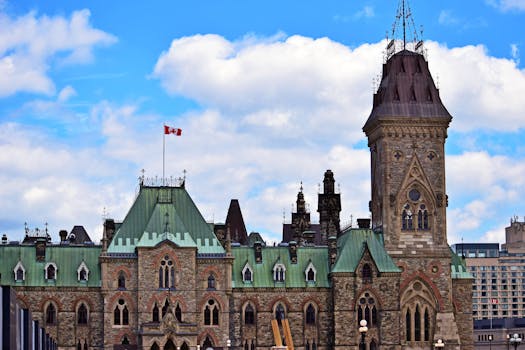
Ottawa is home to Global Affairs Canada's headquarters, and the department's response to this disaster is being coordinated out of the capital, with consular staff abroad reporting back to officials here as the situation develops.
The federal government has not yet indicated how long the identification process is expected to take, and officials say they will provide updates to affected families as more information becomes available.
Source: CBC News