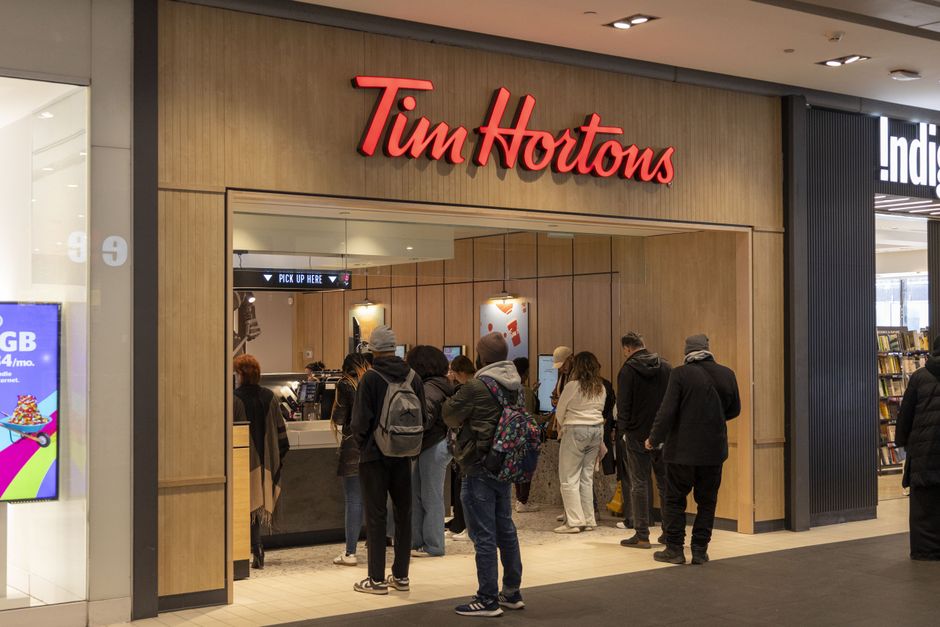
A Double-Double Nation
Canada runs on Tim Hortons. That's not marketing copy. It's sociology. From highway rest stops to hospital lobbies, the orange-and-red cup is as Canadian as the loonie, and for millions of people, a medium double-double isn't just a coffee order: it's a reflex.
So when American cafe chain Dunkin' began signalling a renewed push into the Canadian market, the coffee industry took notice. The question on everyone's lips: does Dunkin' have a real shot, or is it walking into a battle it's already lost?
Experts are skeptical.
Brand Loyalty Runs Deep
Tim Hortons has been part of the Canadian cultural fabric since 1964, founded by the NHL defenceman of the same name. Decades of marketing, strategic highway placement, and genuinely affordable pricing have cemented it as the default coffee stop for a huge swath of the country.
"Tim Hortons isn't just a coffee brand in Canada. It's an identity marker," said one retail analyst quoted by CBC. "People who drink Tim's aren't just buying coffee. They're performing a kind of Canadian-ness."
Dunkin', by contrast, carries an American flag on its brand perception whether it wants to or not. Its last significant Canadian footprint faded years ago, and its current push would require Canadians to consciously choose something foreign over something they already feel ownership of.
What Dunkin' Is Betting On
Dunkin' isn't walking in blind. The chain has spent years streamlining its menu, doubling down on espresso-based drinks, and repositioning itself as a fast, modern alternative to both fast food coffee and pricier third-wave cafes. It's a value-plus play, better than a gas station, cheaper than Starbucks.
That positioning could find an audience with younger urban Canadians who are already stretching the definition of what a "Tim's person" looks like. Gen Z coffee drinkers are less brand-loyal and more experience-driven. They want cold foam, oat milk, and an iced matcha latte they can post. Tim Hortons has been scrambling to keep up with that shift.
Still, analysts note that Dunkin' would need significant capital investment just to build out enough Canadian locations to compete on convenience. Tim Hortons' single biggest advantage.
The Starbucks Lesson
Dunkin' might also look at Starbucks for a cautionary tale. The Seattle chain has had decades of Canadian presence, thousands of locations, and a powerful aspirational brand, and it still hasn't dethroned Tim Hortons in raw volume or cultural dominance. If Starbucks couldn't do it with its considerable resources and head start, it raises real questions about whether Dunkin' can close the gap.
There's room in the Canadian market for multiple coffee chains. That's not the debate. The question is whether Dunkin' can carve out a meaningful share, not just a niche.
The Bottom Line
Canadians are fiercely, sometimes irrationally loyal to Tim Hortons. That loyalty has survived quality fluctuations, ownership changes, and the rise of artisan coffee culture. Dunkin' entering the ring isn't a threat so much as a test of just how resilient that loyalty really is.
For now, the double-double isn't going anywhere.
Source: CBC News

