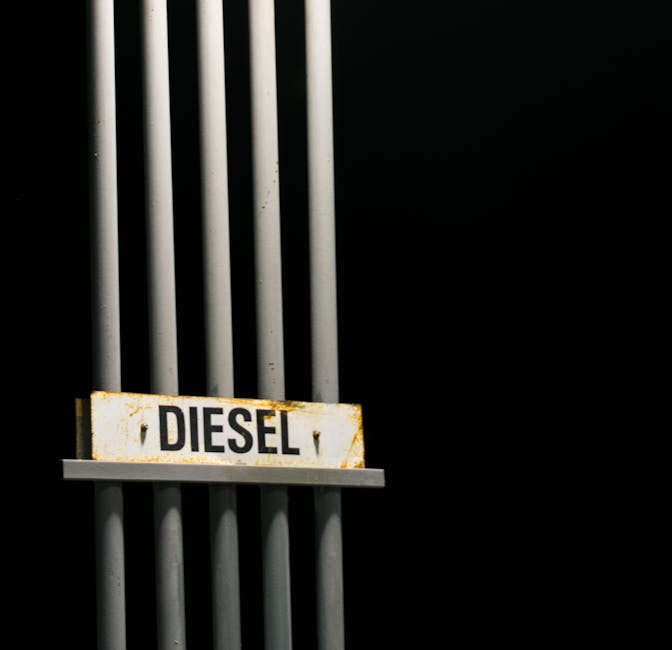
A $10,000 Bill They Never Expected
When a Canadian couple returned their rental car to Enterprise, they figured that was the end of it. Instead, it was just the beginning of a months-long battle, one that ended up on CBC's Go Public after the company sent them a bill for nearly $10,000, claiming they had filled the diesel-engine vehicle with the wrong fuel.
The couple disputed the charge from the start. They said they had fuelled the car correctly, and they had receipts and documentation to back them up. But Enterprise pushed back, insisting the damage was real and the couple was responsible.
What the Evidence Showed
After CBC Go Public began investigating, the story got complicated for Enterprise. Evidence gathered during the reporting suggested the damage claim may not have been supported by the facts on the ground. The kind of catastrophic engine damage typically caused by diesel misfuelling, a well-documented mechanical problem: didn't appear to match what the couple actually experienced during their rental period.
The case highlights a pattern that consumer advocates have been flagging for years: rental car customers are often in a weak position when a company issues a damage claim. Without a lawyer or a persistent media outlet in their corner, many people simply pay up rather than fight.
A Familiar Story for Rental Car Customers
Enterprise is one of the largest rental car companies operating in Canada, with locations from Vancouver to Halifax, including multiple outlets in Ottawa and the National Capital Region. The company, like its competitors, uses a damage recovery process that can move quickly and feel overwhelming to the average customer.
Consumer protection experts recommend that renters always photograph and video their vehicle, exterior, interior, and the fuel gauge, both at pickup and return. Keeping fuel receipts is equally important. These steps don't guarantee a dispute-free experience, but they give customers something concrete to stand on if a claim arrives in the mail weeks later.
CBC Go Public Steps In
CBC's Go Public team, which investigates consumer complaints and corporate accountability across Canada, took up the couple's case after they reached out for help. The segment is part of a long-running series that has pressured companies, from airlines to insurance providers, to revisit questionable decisions.
In this instance, the scrutiny appears to have made a difference. Enterprise's response to the Go Public inquiry is part of the full broadcast report.
What Renters Should Know
If you rent a vehicle in Canada and receive an unexpected damage claim, consumer advocates suggest a few key steps:
- Respond in writing: don't just ignore letters or calls
- Request the full damage report and any repair invoices
- File a complaint with your provincial consumer protection office if you believe the claim is unfair
- Contact your credit card company: many cards include rental car collision coverage and have dispute processes
The rental car industry has faced growing scrutiny in the post-pandemic period as demand surged and fleets shrank, leaving customers with fewer options and companies with more leverage.
Source: CBC Go Public / CBC Top Stories. Full investigation at CBC.ca.

