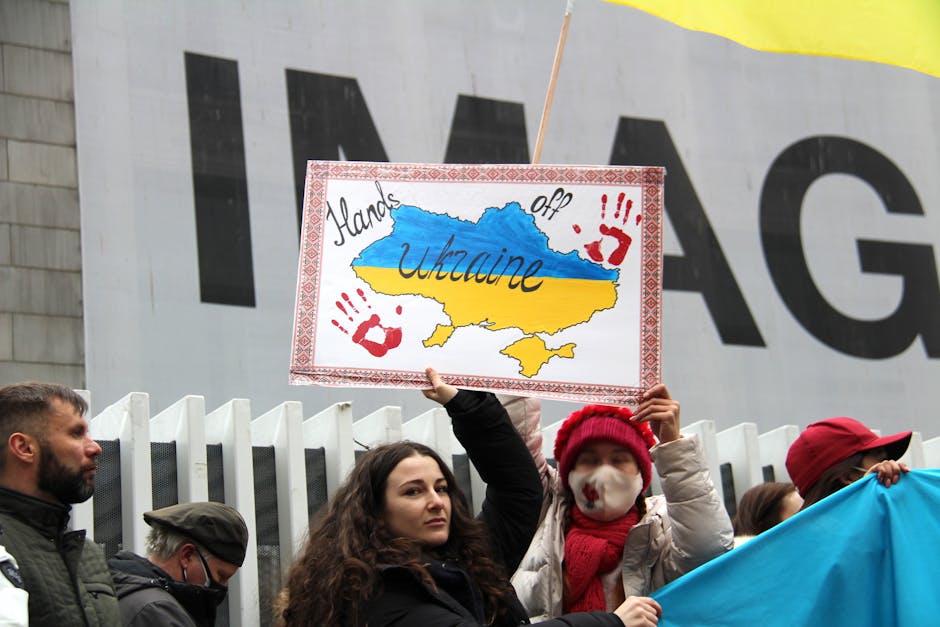
A Major Win for Ukraine's Western Backers
European Union ambassadors have approved the disbursement of a promised 90 billion euro, roughly $144 billion Canadian, loan to Ukraine, marking one of the most significant financial commitments to the country since Russia's full-scale invasion began.
The deal was unlocked after Hungary dropped its veto, a move that came in the wake of Hungarian Prime Minister Viktor Orbán's political defeat on the domestic front. The EU's Cypriot presidency confirmed the approval Wednesday, noting that a new package of sanctions against Russia was also greenlit as part of the same round of decisions.
Orbán's Long-Running Obstruction
For months, Orbán's government had been the single most consistent holdout inside the European bloc on measures aimed at supporting Ukraine and pressuring Moscow. Hungary repeatedly used its veto power to delay or water down aid packages and sanctions, frustrating both EU partners and Ukraine's other backers in the West.
Orbán's political troubles at home appear to have shifted the calculus in Budapest, clearing the path for the rest of the 27-member bloc to move ahead. The timing is significant: Ukraine continues to face pressure on multiple fronts and has been counting on large-scale Western financial support to keep its economy and government functioning through the war.
What the Loan Means
The 90 billion euro package is a loan, not a grant, meaning Ukraine will eventually be expected to repay, but in the near term it represents a critical lifeline. The funds are intended to help Kyiv cover state expenses, maintain public services, and keep the country's institutions running under wartime conditions.
The accompanying sanctions package targeting Russia is the latest in a series of measures the EU has deployed since 2022 to constrain Moscow's economy and limit its ability to finance the war.
Canada's Stake in the Alliance
Canada has been one of Ukraine's most vocal supporters in the international community, committing billions in military, financial, and humanitarian assistance since the invasion. The EU's ability to maintain a united front, despite internal pressure from member states like Hungary, reinforces the broader coalition that Canada is part of.
For the nearly 1.4 million Canadians of Ukrainian heritage, including a large and politically active community in Ottawa, news of the loan approval is a welcome development. The Canadian government has repeatedly framed its Ukraine support in terms of defending democratic principles and the rules-based international order.
With this loan approved and fresh sanctions in place, the Western alliance's financial architecture around Ukraine looks considerably more stable heading into the summer, though the situation on the ground remains volatile.
Source: CBC News Top Stories. Read the original report.

