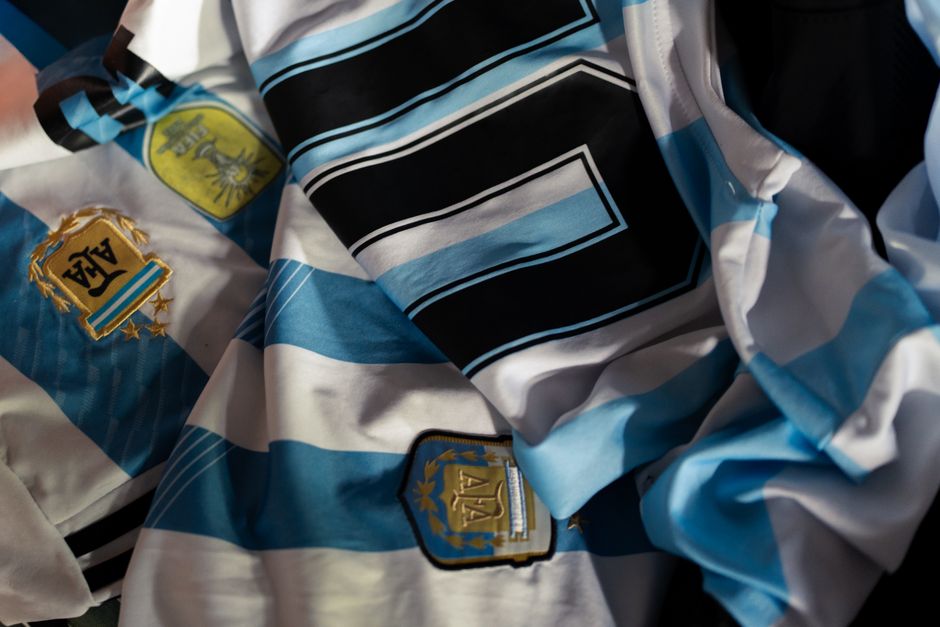
The Counterfeit Rush Is Coming
With the FIFA World Cup set to kick off across Canada, the United States, and Mexico in 2026, law enforcement and intellectual property officials on both sides of the border are sounding the alarm: a massive wave of counterfeit merchandise is expected to flood markets, and Canada may not have the legal tools to fight it effectively.
From fake jerseys and knockoff scarves to fraudulent match tickets and bootleg merchandise, security officials are anticipating sophisticated criminal operations will ramp up their output to cash in on one of the world's biggest sporting events.
A Legal Gap That Worries Experts
While the United States has robust trademark enforcement mechanisms that allow customs officers to seize counterfeit goods at the border, Canadian experts and officials say the country's laws lag behind. Critics argue that Canadian border agents lack the same proactive authority to intercept suspected fakes without a specific court order, a gap that could make Canada a soft target and a transit route for counterfeit goods heading south.
The concern is not just about lost revenue for FIFA and its licensed merchandise partners. Counterfeit tickets pose a real risk to fans who could be turned away at stadium gates after spending hundreds of dollars. Poorly made fakes can also create safety hazards, particularly when it comes to unofficial food and beverage products bearing tournament branding.
What Authorities Are Doing
Canadian Border Services Agency (CBSA) officials say they are working closely with their American counterparts at U.S. Customs and Border Protection, as well as with Interpol and FIFA's own anti-counterfeiting teams, to identify high-risk shipments before they enter the country.
Federal officials have noted that the sheer scale of the World Cup, with matches scheduled at venues in Toronto, Vancouver, and across North America, creates an unprecedented enforcement challenge. Criminal organizations have already been observed ramping up production of fake merchandise in overseas factories, with goods expected to arrive through a variety of channels including postal services and small parcel couriers, which are historically harder to screen.
What Fans Should Watch For
Officials are urging World Cup fans to buy tickets and licensed merchandise exclusively through official FIFA channels and authorized retailers. Red flags include:
- Prices that seem too good to be true
- Sellers operating through unofficial social media accounts or pop-up websites
- Merchandise with misspellings, blurry logos, or poor stitching
- Tickets delivered as image files or screenshots rather than official barcoded documents
Fans who suspect they've encountered counterfeit goods or fraudulent ticket sellers are encouraged to report them to the RCMP's National Anti-Counterfeiting Bureau or local police.
A Call for Stronger Laws
Some intellectual property advocates are calling on Parliament to update Canada's trademark enforcement framework before the tournament begins, bringing it in line with international standards. The 2026 World Cup represents a rare opportunity, and a pressing deadline, to close the legal gap that has long frustrated brand owners and law enforcement alike.
With the eyes of the world turning to Canada next summer, officials say the time to act is now.
Source: CBC News

