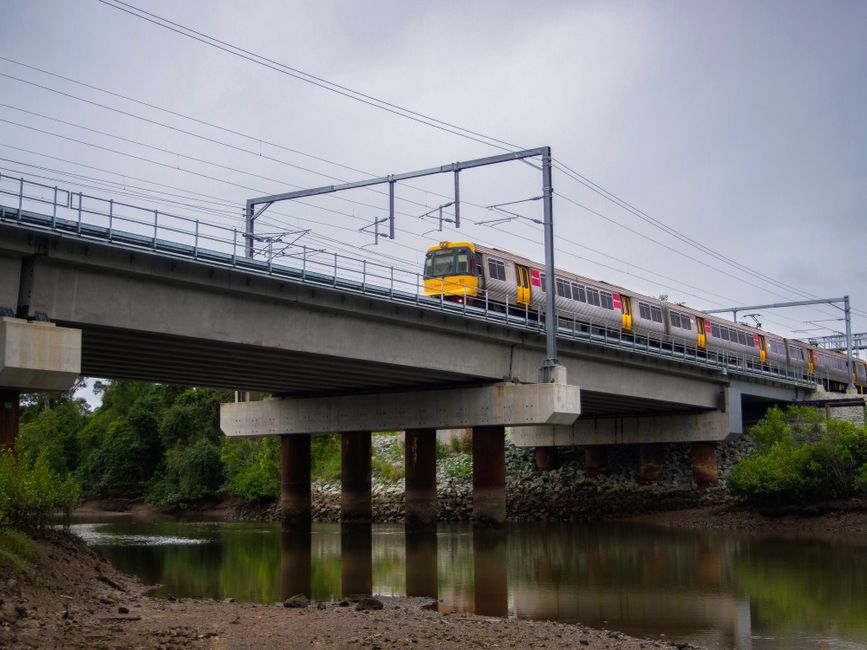
A GO Transit train carrying more than 400 passengers came dangerously close to a catastrophic collision in Ontario in 2024, according to a newly released report from the Transportation Safety Board of Canada (TSB), and the findings are raising serious questions about the safety systems protecting commuters across the province.
Ottawa commuters who rely on Via Rail and O-Train services may find the TSB's conclusions particularly sobering, as the report highlights systemic vulnerabilities that extend beyond any single operator or corridor.
What Happened
The incident involved two GO trains on the same track, with one narrowly avoiding a collision with the other. The train carrying over 400 passengers had no automated system capable of intervening in time to prevent a crash, what safety experts call a last line of defence.
The TSB found that existing safety barriers were insufficient and that the outcome was far more a matter of luck than design. Had the situation unfolded slightly differently, the report suggests, the results could have been catastrophic.
The Board's Findings
Investigators identified several compounding factors, including reliance on human intervention in situations where response times leave little margin for error. The TSB stopped short of attributing blame to any individual, instead focusing on the broader need for systemic change.
"The safety defences in place were not adequate to prevent a collision," the board's report stated, urging Metrolinx and Transport Canada to accelerate the deployment of advanced train control technologies.
Positive Train Control (PTC), an automated system that can detect dangerous conditions and stop a train without human input, has been mandatory on certain U.S. freight and passenger lines since 2020. Canada has lagged behind on implementation timelines.
Why This Matters Beyond the GTA
While this incident occurred on the GO Transit network in the Greater Toronto Area, rail safety is a national issue. Canada's passenger rail infrastructure, including lines serving Ottawa, faces similar questions about the pace of safety technology upgrades.
Transport Canada has faced repeated calls from the TSB to strengthen oversight and mandate modern train control systems. The 2024 near-miss adds fresh urgency to those calls.
Metrolinx, the Crown agency that operates GO Transit, said it is reviewing the TSB findings and remains committed to passenger safety. Transport Canada has not yet announced a timeline for updated mandates.
Calls for Action
Rail safety advocates say the near-miss should serve as a wake-up call. With ridership on GO Transit growing post-pandemic, the volume of trains operating on shared corridors has increased, and so has the potential for incidents.
The TSB is recommending that Transport Canada establish clearer requirements for automated safety systems and that Metrolinx accelerate its own safety technology roadmap.
For the hundreds of passengers on board that day in 2024, the danger was real, even if they may not have known it at the time.
Source: Global News | Transportation Safety Board of Canada

