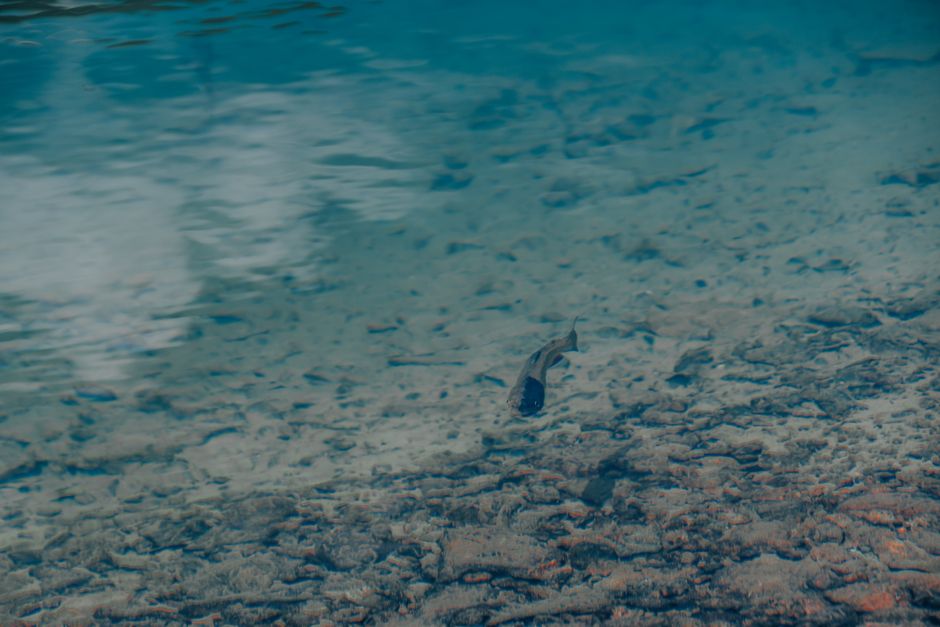
A Fish Older Than Confederation
For generations, scientists believed lake sturgeon in the Great Lakes could live to around 100 or 150 years old, already an impressive lifespan by any measure. New research is throwing that number out the window. According to a report from CBC News, some Great Lakes sturgeon may actually live more than 400 years, meaning a fish swimming through Ontario waters today could have been alive before Canada was even a country.
The discovery is forcing researchers to rethink an already-decades-long effort to bring lake sturgeon back from the brink of extinction. These prehistoric-looking fish, with their armoured plates and shark-like tails, have been swimming North American waters since before the dinosaurs went extinct. But overfishing, dam construction, and habitat loss pushed populations to a fraction of their historic numbers across the Great Lakes basin.
Why Lifespan Changes Everything
Understanding how long a species actually lives matters enormously for conservation. If sturgeon reach reproductive maturity slowly and live for centuries, that changes how quickly a population can recover from a decline, and how patient conservation programs need to be. A fish that might live four centuries doesn't reproduce on the same clock as one expected to live a single century. Scientists now have to reconsider recovery timelines that were built on outdated assumptions about the species' biology.
This kind of long-lived, slow-reproducing life history is rare among freshwater fish, and it puts lake sturgeon in a category more commonly associated with certain whales or giant tortoises. It also underscores just how sensitive the species is to disruption. A population that takes centuries to fully mature and rebuild cannot bounce back quickly from setbacks like pollution events or continued habitat degradation.
What It Means Going Forward
The Great Lakes remain one of the most important freshwater ecosystems in the world, and Ontario shares a long coastline along Lake Ontario, Lake Erie, and Lake Huron's Georgian Bay. Efforts to restore native fish populations in these waters have been ongoing for decades, often involving partnerships between Canadian and American researchers, Indigenous communities, and government agencies on both sides of the border.
With this new understanding of sturgeon longevity, conservation groups may need to extend the timelines they use to measure success, and rethink how populations are monitored over time. A species this ancient, both individually and evolutionarily, may simply require a longer view than science previously gave it credit for.
Source: CBC News