South Korea Goes All-In on Canada's Sub Contract
Hanwha Ocean wants to build Canada's next fleet of submarines, and it's willing to put serious Canadian industrial muscle behind that pitch.
Three senior South Korean officials travelled to Canada this week to announce a reinforced partnership between Hanwha Ocean and two pillars of Canadian industry: Algoma Steel and the Automotive Parts Manufacturers Association (APMA). The deal would see Hanwha commit to sourcing steel and military vehicle components from Canadian suppliers if it wins the submarine contract.
It's a classic offset strategy, and in the world of mega defence procurement, it's table stakes.
What's on the Table
The announcement links two separate but complementary promises. First, Hanwha would use Algoma Steel, the Sault Ste. Marie-based steelmaker, as a supplier for its land-based military vehicle business in Canada. Second, it would deepen its relationship with the APMA, the industry group representing Canada's sprawling automotive supply chain, to tap Canadian manufacturers for components.
For Algoma Steel, which has been navigating a turbulent period of modernization and trade pressures, a long-term defence supply relationship with a major South Korean conglomerate would be a meaningful boost. For the APMA's members, many of them small and medium-sized Ontario manufacturers, access to defence contracts is an increasingly attractive diversification play as the auto industry undergoes its electric transition.
The Bigger Picture: Canada's Submarine Decision
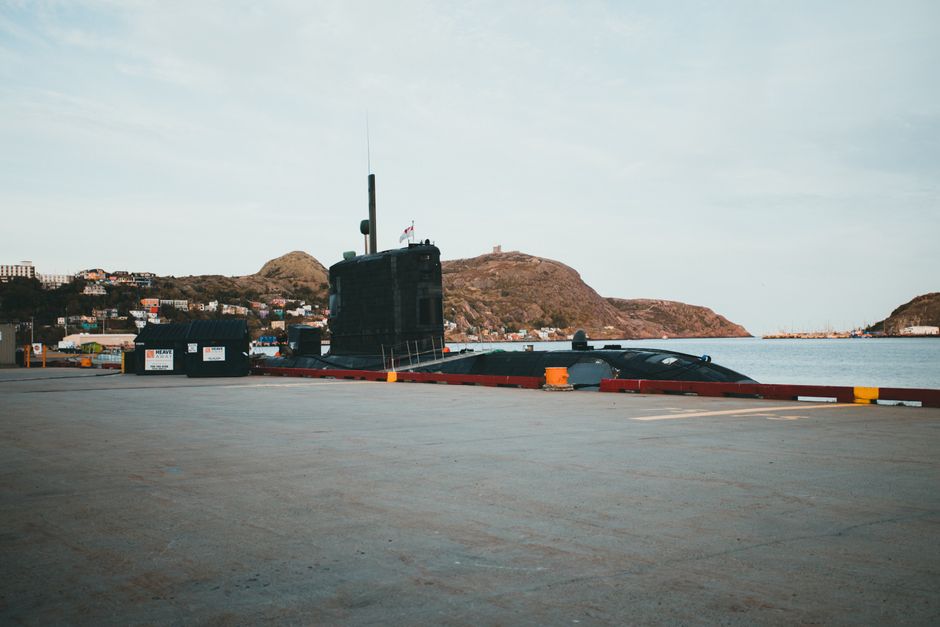
Canada's Victoria-class submarines are aging out, and the Royal Canadian Navy has been clear that replacement is a national security priority. The procurement, potentially worth tens of billions of dollars, has attracted serious international interest.
Hanwha Ocean is competing against other major shipbuilders, and the Canadian government has signalled it wants meaningful industrial benefits baked into any deal. That's the context for this week's announcement: Hanwha is building a coalition of Canadian industrial partners to demonstrate it won't just deliver submarines, but jobs and supply chain investment from coast to coast.
The submarine program also carries political weight in Ottawa. Defence procurement decisions of this scale are scrutinized for regional economic impact, and the involvement of Ontario steel and auto sector suppliers gives Hanwha a compelling story to tell Parliament Hill.
Why It Matters Beyond the Shipyard
Defence procurement isn't just about hardware. It's industrial policy. When Canada buys fighter jets, icebreakers, or submarines, it typically demands that a portion of the contract value flow back into the domestic economy through what's called an Industrial and Technological Benefits (ITB) obligation.
Hanwha's pre-emptive partnership announcements suggest the company understands this dynamic well. By locking in relationships with Algoma Steel and the APMA before a contract is even awarded, it's signalling it can deliver on those ITB commitments, and that Canadian workers and manufacturers will share in the program's benefits.
The submarine decision is still years away from finalization, but with announcements like this, the lobbying battle is already well underway.
Source: CBC Politics

