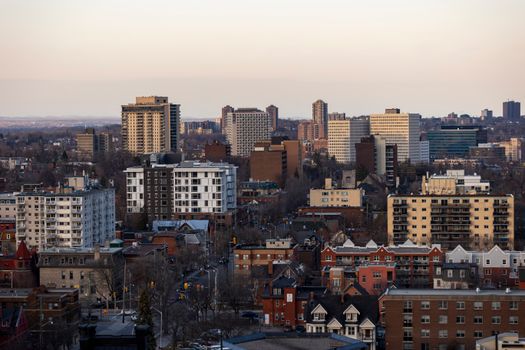
February Housing Market: Buyers and Sellers Both Holding Back
Canada's housing market has started 2026 quietly. Home sales fell 1.3 per cent from January to February, and new listings also declined, leaving the market in a kind of collective pause, according to data from the Canadian Real Estate Association.
It's not a crash. It's more of a collective shrug, buyers and sellers alike deciding this isn't the moment to make a move.
What's Keeping People on the Sidelines
Several forces are converging to dampen housing market activity. Economic uncertainty tops the list: with global markets unsettled and inflation still a concern, many Canadians are cautious about making major financial commitments.
High interest rates continue to affect how much buyers can actually borrow, and by extension, what they can afford. Even as buyers adapt to the new rate environment, the math remains challenging in many markets.
And then there's geopolitical turmoil. The Iran war has sent energy prices higher, which feeds into broader inflationary pressures. When the cost of living is rising, discretionary spending, including the decision to buy or sell a home, tends to contract.
Sellers Aren't Moving Either
The decline in new listings is worth noting. In a buyer's market, you'd typically expect sellers to pull back: why list if buyers aren't biting? That dynamic appears to be playing out now.
Fewer listings mean less choice for buyers who are in the market, which can paradoxically support prices even when demand is soft. The market isn't flooding with supply, which limits how far prices can fall.
Looking Ahead to Spring
The spring market is the traditional make-or-break period for Canadian real estate. Warmer weather typically brings more listings, more buyers, and more activity. Whether 2026 follows that pattern will depend largely on whether economic and geopolitical conditions stabilize enough to restore confidence.
For now, February's numbers suggest the market is waiting, and so are most of the people in it.
Source: Financial Post