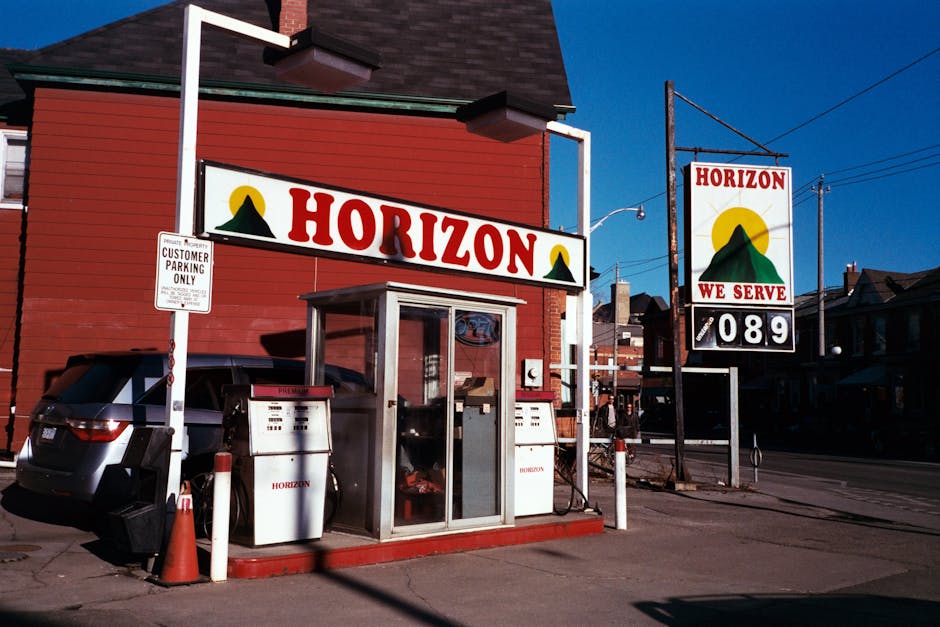
Inflation Ticks Up, And Your Gas Tank Knows Why
Canadians filling up at the pump this spring have felt it viscerally: fuel is significantly more expensive than it was a year ago. Statistics Canada confirmed this week that the country's annual inflation rate rose to 2.8% in April 2026, and the culprit is hard to miss, gasoline prices surged 28.6% compared to the same month last year.
That's a sharp jump for the overall Consumer Price Index (CPI), which had been trending more moderately through the early months of 2026. Energy price swings are notoriously volatile, and this latest read is a reminder of how dramatically they can shift the headline number.
Good News Hidden in the Numbers
Peel back the energy component, and the picture looks considerably calmer. Economists were quick to point out that core inflation measures, which strip out volatile categories like fuel and fresh food, have continued rising at a much slower pace. That's an important signal for the Bank of Canada as it monitors whether price pressures are truly persistent or simply being amplified by a single sector.
Rent, which had been a stubborn driver of inflation for much of 2024 and 2025, is also showing signs of easing. The same goes for grocery prices, which climbed relentlessly for years before beginning to cool. For household budgets already stretched by years of elevated costs, that's a meaningful, if modest, relief.
What It Means for Interest Rates
The Bank of Canada will be watching this report closely. The central bank has been carefully navigating a narrow path: keeping rates high enough to keep inflation in check, while not tipping a slowing economy into a deeper downturn. A headline inflation number driven mainly by energy, rather than broad-based price growth, gives policymakers some room to breathe.
Analysts note that if core inflation continues to behave, the Bank may have justification to hold or even nudge rates lower in the coming months. But volatile energy markets could complicate that calculus quickly. Global oil supply dynamics, a weaker Canadian dollar, and seasonal demand all play into what Canadians pay at the pump.
Everyday Impact on Canadian Wallets
For most Canadians, the inflation report is less about macroeconomics and more about the grocery run and the morning commute. The April data suggests those commutes are costing more, but the weekly shop may finally be getting a little less punishing.
It's a mixed picture heading into summer. Travel and tourism season typically drives higher fuel demand, which could keep gas prices elevated through the warmer months. At the same time, easing food and shelter costs could offset some of that pressure for families.
For now, economists say the trajectory of core inflation is the metric to watch, and it's pointing in the right direction.
Source: CBC News / Statistics Canada, May 2026

