A Long-Overdue Change on the Saint John River
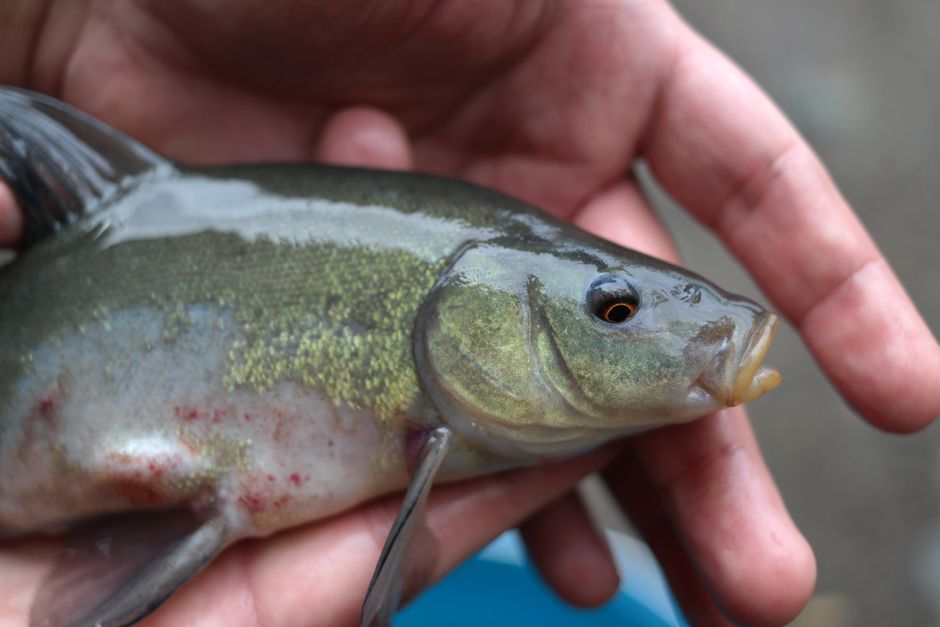
Every spring, gaspereau, small, herring-like fish that spend most of their lives in salt water, surge up New Brunswick's Saint John River to spawn in freshwater. For years, millions of them hit a wall at the base of the Mactaquac Dam, unable to continue upstream on their own.
What happened next was the problem: rather than being transported past the dam to continue their migration, the fish were being sold commercially. Conservation advocates and fishing communities argued for years that the practice was wrong. That the fish should be helping rivers, not filling nets.
That's finally changing. Fisheries and Oceans Canada (DFO) has shifted course, prioritizing upstream transport of gaspereau over their commercial sale. The result: millions more fish are now making it to their spawning grounds.
Why Gaspereau Matter
Gaspereau, also called alewife, might not be the most glamorous fish in Atlantic Canada's rivers, but they punch well above their weight ecologically. When they spawn upstream, they deposit nutrients into freshwater systems and serve as a key food source for larger predators like striped bass, Atlantic salmon, and bald eagles.
Healthy gaspereau runs support the entire food chain, in the river, along the shoreline, and back out in the ocean where the adults return after spawning. When those runs are disrupted, the ripple effects are felt across species and ecosystems.
For decades, the Mactaquac Dam, built in the 1960s on the Saint John River, has been one of the most significant barriers to fish migration in Atlantic Canada. It dramatically altered the river's hydrology and cut off access to hundreds of kilometres of upstream spawning habitat.
A Policy Shift That Makes a Real Difference
The change DFO has made is relatively simple in practice: instead of handing trapped gaspereau over to commercial interests, the department is now ensuring far more of them get transported above the dam to continue their spawning run.
The results have been striking, millions more fish completing journeys that were previously cut short.
This kind of management decision often flies under the radar, but its impact is very real. More gaspereau spawning upstream means more nutrients cycling through the river system, more food for predator species, and better long-term prospects for the Saint John River watershed's biodiversity.
The Bigger Picture for Mactaquac
The dam itself remains the subject of a larger, ongoing debate. NB Power has been evaluating options for the aging structure's future, whether to refurbish, replace, or eventually remove it, and fish passage has been a central concern throughout.
Improving how fish are handled at the dam is seen as one of the most practical near-term steps to reduce its ecological footprint, regardless of what ultimately happens to the structure itself.
For communities along the Saint John River and its tributaries, the news is encouraging. A healthier gaspereau population today is an investment in the fisheries, ecosystems, and watersheds that Atlantic Canadians depend on for generations to come.
Source: CBC News

