A Maritime Classic Under Pressure
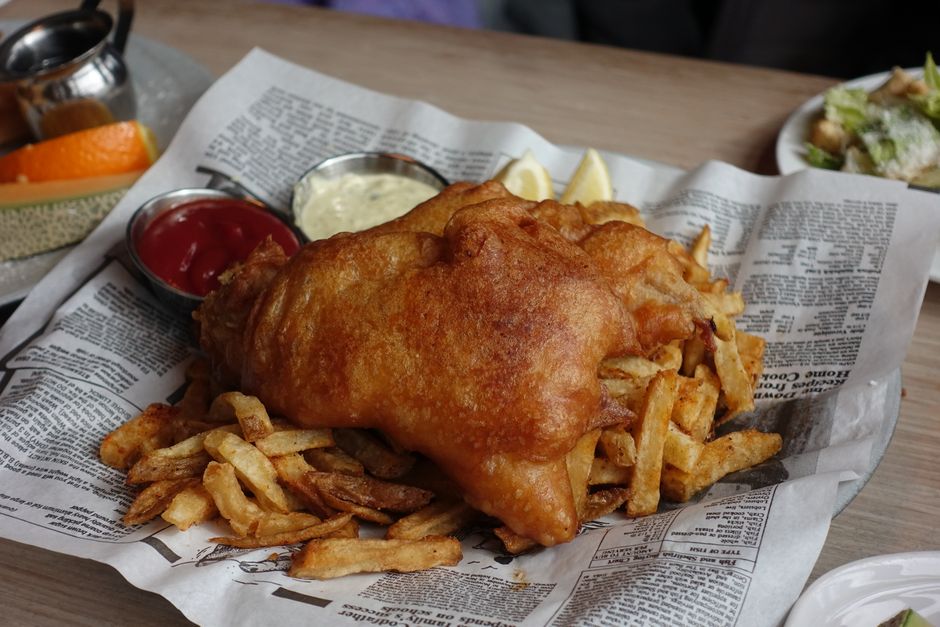
Fish and chips is about as iconic to the Maritimes as poutine is to Quebec, and haddock has long been the go-to fish for the dish, flaky, mild, and reliably affordable. That's starting to change. New government-imposed limits on haddock fishing are tightening supply across Nova Scotia, New Brunswick, and Prince Edward Island, and the ripple effects are already showing up on restaurant menus and in seafood shop display cases.
Why the Quotas Matter
Fishing quotas exist to keep stocks sustainable for the long term, but when limits come down quickly, the short-term squeeze can be significant. With less haddock legally available to catch, processors and restaurants are paying more to secure their supply, and that cost inevitably gets passed on to customers. Industry voices in the region are warning that haddock, once considered the reliable, wallet-friendly option compared to cod or halibut, could soon carry a price tag that puts it out of reach for the classic no-frills fish and chips order.
From Boat to Plate
For small seafood shops and chip trucks that built their reputation on a cheap, generous portion of haddock and fries, the shift is a real business challenge. Some operators may look to substitute other whitefish species to keep prices down, while others are choosing to absorb costs for now rather than alienate loyal customers. Either way, the days of a rock-bottom haddock special may be numbered, at least until stocks recover enough for quotas to loosen again.
A National Conversation About Seafood Prices
While the story is rooted in the Maritimes, it taps into a broader Canadian conversation about the cost of seafood and the balance between conservation and affordability. Canadians from coast to coast have felt grocery and restaurant prices climb across categories in recent years, and seafood, often marketed as a fresher, healthier alternative to red meat, is no exception. When a signature regional dish like Maritime fish and chips starts creeping upmarket, it's a reminder of how directly resource management decisions can hit everyday consumers.
What It Means Going Forward
For now, haddock lovers in the Maritimes may want to enjoy an affordable plate while they still can. Restaurants and chip shops will likely continue adjusting menus and pricing as the fishing season progresses, and it's worth keeping an eye on whether other provinces start to feel similar effects if haddock gets redirected to markets willing to pay more. Whether this is a temporary blip or the start of a longer-term shift in how Canadians think about their fish and chips remains to be seen.
Source: CBC