A landmark shrinks before our eyes
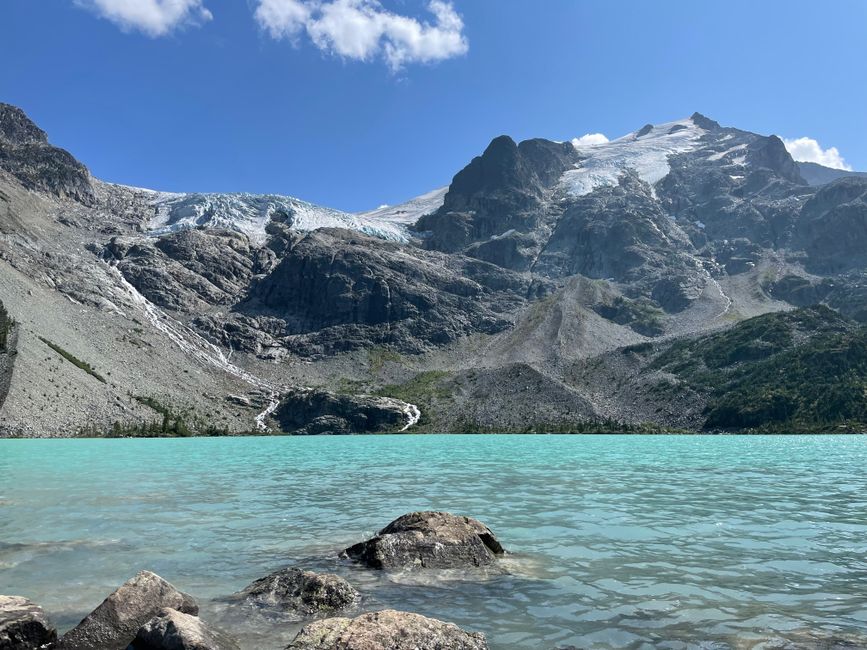
For generations, Berg Lake in British Columbia's Mount Robson Provincial Park has been one of Canada's most photographed alpine scenes — a turquoise lake fed directly by chunks of ice calving off the Berg Glacier into the water below. That signature sight is now gone. The glacier has retreated so far up the mountainside that it no longer touches the lake at all.
Why it matters beyond one lake
Scientists and park visitors have long used the glacier's edge as an easy, visible marker of how quickly climate change is reshaping Canada's mountain landscapes. When a glacier that has calved into its namesake lake for as long as anyone can remember suddenly stops, it's not a subtle shift — it's a visual symbol of a much bigger, faster-moving trend. Glaciers across British Columbia and the Canadian Rockies have been losing mass for decades, but retreats that cross a clear physical threshold, like a glacier pulling back from a lake it used to feed, tend to land differently with the public than another chart of ice-mass statistics.
What's driving the retreat
Glaciologists point to the same forces reshaping ice fields across the country: warmer summers, shorter winters, and less snowpack accumulating at high elevations to replenish the ice each year. Mount Robson, the highest peak in the Canadian Rockies, sits in a region that has already seen measurable warming trends over the past several decades. Berg Glacier's retreat mirrors what's happening to glaciers throughout the Rockies and B.C.'s coastal ranges, many of which have lost significant volume since the mid-20th century.
A tourist draw changes shape
Mount Robson Provincial Park draws hikers and photographers from across the country and around the world, many making the trek specifically to see ice calve into Berg Lake's glacial-blue water. With the glacier no longer reaching the lake, that spectacle is effectively over, at least in the form visitors have known it. Park officials and conservation groups say the change offers a stark, accessible way for Canadians to understand climate impacts that can otherwise feel abstract or distant — this is a landscape many British Columbians have visited in person, not a statistic from a faraway ice sheet.
The bigger picture for Canadian glaciers
Berg Glacier is far from alone. Glacier retreat has been documented across Western Canada, from the Columbia Icefield to smaller alpine glaciers throughout the Rockies, with implications that reach well beyond scenery — glacial meltwater feeds rivers that supply drinking water, agriculture, and hydroelectric power across the West. As glaciers like Berg continue to shrink, researchers say the changes at Mount Robson could serve as an early warning for what's ahead for other iconic Canadian landscapes.
Source: CBC News