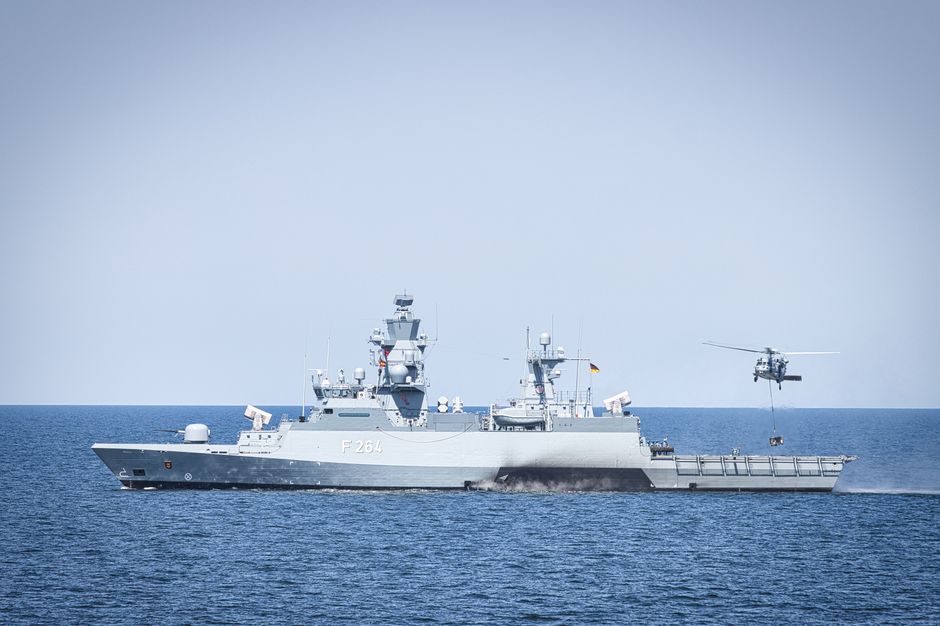
Canada's most ambitious naval rebuild in decades is running into a problem no shipyard can fix: people. Vice-Admiral Dan Charlebois, the newly appointed commander of the Royal Canadian Navy (RCN), says the service will need to grow by as much as 40 per cent to crew the fleet of destroyers, submarines and support vessels now taking shape.
A fleet ahead of its sailors
The RCN is in the middle of a sweeping modernization push. New River-class destroyers, a planned submarine replacement program and fresh support ships are all in the pipeline, hardware meant to carry the navy through the middle of the century. But steel and systems are only half the equation. Warships are useless without trained crews to run them, and Charlebois has been blunt that recruitment and retention are now the service's central challenge.
Growing the force by up to 40 per cent is a tall order for any organization, let alone one that competes with the private sector for skilled trades, engineers and technicians. The navy needs sailors who can operate sophisticated radar, propulsion and weapons systems, the kind of expertise that takes years to build and is hard to replace once it walks out the door.
Why the Arctic raises the stakes
Part of the urgency is geographic. Canada has the world's longest coastline and growing security interests in the Arctic, where melting ice is opening new shipping routes and drawing more international attention. A bigger, more capable navy is central to Ottawa's pitch that Canada can defend its own waters and pull its weight alongside NATO allies. That ambition only works if there are enough people in uniform to put ships to sea.
The recruiting math
The Canadian Armed Forces as a whole has struggled with personnel shortfalls in recent years, with thousands of vacant positions across all branches. Turning that around means not just attracting new recruits but keeping experienced ones long enough to train the next wave. The navy has been experimenting with faster enrolment, more flexible career paths and better support for families, recognizing that long deployments and frequent moves are a tough sell in a competitive job market.
The Ottawa connection
The push lands close to home. Defence policy and procurement decisions are made in Ottawa, where National Defence Headquarters and Parliament will ultimately decide how much money flows toward recruiting, shipbuilding and pay. For the thousands of public servants and defence workers in the capital region, the navy's growth plans are also an economic story: shaping contracts, jobs and the long-term direction of Canada's defence spending.
Whether the RCN can actually hit a 40 per cent growth target remains an open question. But Charlebois's message is clear: the future of Canada's navy will be decided less by what gets built and more by who shows up to serve.
Source: CBC News.

