N.L. Leads Canada in GDP Growth Despite Budget Shortfall
Newfoundland and Labrador's 2026 provincial budget paints a picture of striking contrasts: a hefty deficit on one hand, and the strongest GDP growth forecast in the country on the other. While fiscal hawks may wince at the red ink, economists point to the province's resource-driven economy as the reason Atlantic Canada is outpacing every other province this year.
According to the province's 2026 budget, Newfoundland and Labrador is expected to post the highest economic growth rate in Canada, a position fuelled almost entirely by its three dominant industries: offshore oil production, mineral mining, and the fishery.
The Resource Trinity Powering the Province
Oil has long been the backbone of Newfoundland's modern economy, with the Hibernia, Terra Nova, and White Rose offshore platforms pumping billions of dollars into provincial coffers each year. In 2026, continued production activity and relatively stable global oil prices are helping sustain output at levels that keep the province's GDP ticking upward.
Mining is the second major driver. With significant deposits of iron ore, nickel, and other minerals concentrated in Labrador and across the island, the sector attracts steady investment from both domestic and international companies. The global push for critical minerals, essential for electric vehicles and clean energy technology, has added a new layer of interest in the province's geological wealth.
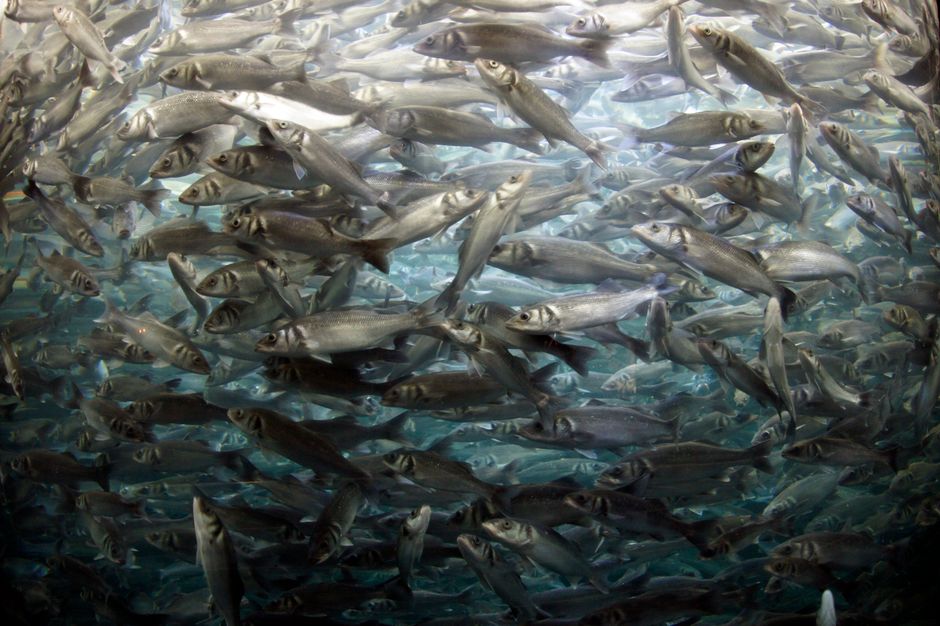
The fishery, Newfoundland's oldest industry, remains a cultural and economic cornerstone. Shrimp, crab, lobster, and cod continue to be exported to markets across North America, Europe, and Asia, sustaining coastal communities that have depended on the sea for centuries.
A Deficit With an Asterisk
Despite the strong growth forecast, the province is once again projecting a significant budgetary shortfall. This is partly structural, Newfoundland has been grappling with elevated debt and aging infrastructure costs for years, and partly a reflection of the volatility baked into a resource-dependent economy. When oil prices dip or fish stocks fluctuate, revenues can swing dramatically.
The provincial government has signalled it remains committed to managing the deficit while continuing to invest in public services and infrastructure. Critics, however, argue that without meaningful economic diversification, N.L. remains exposed to commodity cycles beyond its control.
What This Means for Canada
For the broader Canadian economy, Newfoundland's growth is a bright spot in an otherwise mixed national picture. As several central Canadian provinces navigate slower growth, housing affordability pressures, and shifting trade dynamics with the United States, N.L.'s resource boom offers a counterweight, and a reminder of how Canada's economic geography remains deeply tied to natural resources.
For provinces like Ontario and Quebec, Newfoundland's performance also underscores a longstanding tension in Confederation: resource-rich regions can generate enormous wealth, but translating that into long-term fiscal stability requires careful planning and investment beyond the boom years.
Whether Newfoundland and Labrador can capitalize on this growth window to build a more resilient, diversified economy remains one of the key questions heading into the latter half of the decade.
Source: CBC News, Budget 2026 reveals how N.L.'s economy is driven by oil, mining and fishing

