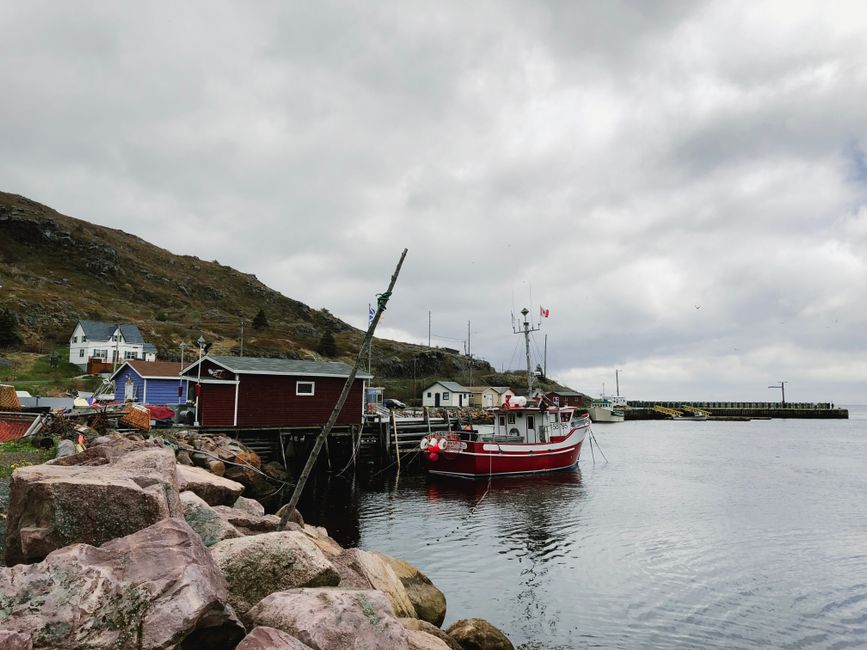
A Landmark Moment for Canada's Cod Fishery
Canada's northern cod is making a comeback, and now the federal government is putting numbers behind that optimism.
Ottawa has approved a 55 per cent increase to the total allowable catch (TAC) for northern cod, following an announcement just two months ago that the stock had officially entered the healthy zone. For fishing communities in Newfoundland and Labrador, it's being called a remarkable day, and it's hard to argue with that description.
The move marks one of the most significant upward adjustments to the northern cod quota in decades, a sign that conservation efforts and careful fisheries management may finally be paying off after one of Canada's most devastating ecological and economic collapses.
The Long Road Back from the Moratorium
Anyone who lived through the early 1990s in Atlantic Canada knows how catastrophic the cod collapse was. In 1992, the federal government imposed a moratorium on northern cod fishing, a decision that threw tens of thousands of people out of work overnight and fundamentally reshaped the culture and economy of Newfoundland and Labrador.
Recovery has been agonizingly slow. For years, scientists tracked modest improvements while fishing communities waited, hoping the numbers would eventually justify a return to something resembling the old ways.
Now, with the stock formally deemed healthy and the TAC rising by more than half, that wait appears to be paying off.
What the Increase Means
A 55 per cent jump in the total allowable catch is not a small adjustment. It's a statement of confidence from federal fisheries managers that the population can sustain meaningfully higher harvest levels without reversing the gains of recent years.
For harvesters and plant workers in communities along the Newfoundland coast, the increase translates directly into more work, more income, and more economic activity in regions that have long depended on the fishery.
Fisheries advocates have noted that while the numbers are encouraging, sustainable management must remain the priority. The collapse of the 1990s is a cautionary tale that no one in the industry wants to repeat.
Ottawa's Role in the Recovery
The federal government's fisheries and oceans department oversees stock assessments and sets catch limits in consultation with provinces, Indigenous groups, and industry stakeholders. The decision to increase the TAC reflects both the scientific assessment and years of collaborative management between those parties.
The declaration of healthy stock status in April was the trigger that made this increase possible, and the speed of the follow-up quota adjustment suggests Ottawa is taking the recovery seriously as an economic opportunity for Atlantic communities.
Looking Ahead
Cod will likely never return to the volumes seen before the moratorium, the ocean ecosystem has changed too much for that. But a thriving, sustainably managed northern cod fishery is increasingly within reach, and decisions like this one move the needle in the right direction.
For Newfoundland and Labrador, where the cod fishery is woven into the cultural identity as much as the economic one, days like this carry weight beyond the quota numbers.
Source: CBC News. Original reporting by CBC Newfoundland and Labrador.

