A forgery ring decades in the making
For more than 20 years, a criminal network churned out thousands of fake paintings falsely attributed to Norval Morrisseau, the celebrated Anishinaabe artist known as the founder of the Woodland School and often called Canada's "Picasso of the North." The scheme, largely based out of Thunder Bay, Ontario, became the largest art fraud case in history, with fakes hanging in living rooms, galleries, and even institutional collections across the country.
Unravelling it took more than art experts and gut instinct. It took forensic science, and much of that work happened in Ottawa.
The Ottawa connection
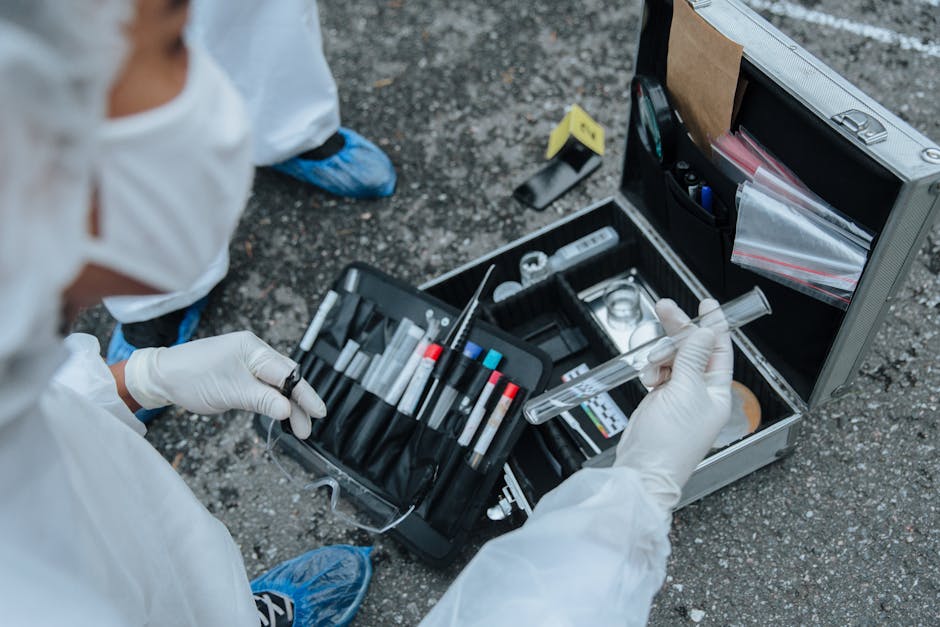
Scientists at a little-known federal agency based in Ottawa played a key role in developing and applying the forensic tools that ultimately helped investigators and prosecutors prove which paintings were genuine and which were forged. Their methods went well beyond visual inspection, drawing on chemical and material analysis to examine pigments, canvas, and other physical properties of the paintings in ways a human eye simply cannot.
That kind of forensic capability, normally associated with solving violent crimes or verifying evidence in criminal trials, turned out to be exactly what was needed to protect the legacy of one of Canada's most important Indigenous artists. It is a reminder that Ottawa is home to more than politics and government offices. The city also houses specialized federal science and forensic infrastructure that quietly does consequential work most residents never hear about.
Why this case matters
Morrisseau, who died in 2007, spent his life battling addiction, poverty, and the lasting effects of residential schools before becoming one of the most influential Indigenous artists in Canadian history. The forgery ring that exploited his name did more than defraud collectors financially. It undermined the authenticity of his artistic legacy and, by extension, a broader story about Indigenous art and culture in Canada.
The fraud ring's exposure led to a landmark documentary, "There Are No Fakes," and eventually to criminal convictions against several people involved in producing and selling the forged works. The forensic science developed in Ottawa is now seen as a model for how authorities can approach art fraud cases going forward, not just for Morrisseau's work but for other artists whose reputations and markets are vulnerable to forgery.
The bigger picture
For Ottawa residents, the story is a quiet point of civic pride. A federal agency in the city, rarely in the headlines, helped protect the integrity of Indigenous art history at a national scale. It is the kind of behind-the-scenes work that rarely makes the news but ends up mattering enormously once the full story comes out.
Source: CBC