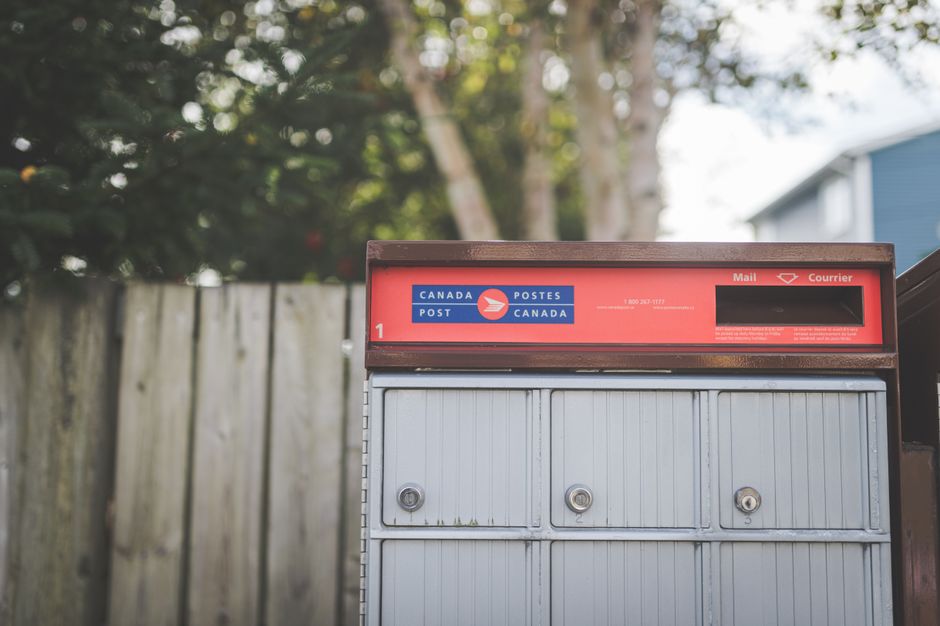
Canada Post is pressing ahead with one of its most sweeping service changes in decades, confirming that approximately 485,000 additional addresses will be shifted away from home delivery in 2027.
The Crown corporation made the announcement this week, adding to the millions of Canadians who have already been transitioned to community mailboxes over the past several years. The latest round brings the total number of addresses affected by delivery conversion to well over a million.
Why Is This Happening?
The short answer: letters are dying. Canada Post has been bleeding money for years as Canadians increasingly turn to email, e-transfers, and digital billing. The corporation recorded massive losses last year, and executives have repeatedly warned that the current door-to-door model is financially unsustainable.
Home delivery costs significantly more per address than community mailbox service. By clustering deliveries at centralized boxes, typically located within a short walk of most homes. Canada Post says it can dramatically reduce the labour and fuel costs tied to individual stops.
The shift also reflects a broader national trend: Canada is one of the last developed countries to still offer widespread door-to-door residential mail delivery.
Who Gets Affected?
Canada Post has not yet released a full street-by-street breakdown of which communities will lose home delivery in the latest wave, but the corporation typically targets newer suburban developments and lower-density areas where route inefficiencies are greatest.
Residents who lose home delivery are assigned a nearby community mailbox location. Canada Post is required to place these boxes within a reasonable walking distance, though critics have long argued the definition of "reasonable" varies widely, and can be a real hardship for seniors, people with disabilities, or those living in areas with poor pedestrian infrastructure.
Ottawa's History With the Change
Ottawa residents in many newer neighbourhoods, particularly in Kanata, Barrhaven, and parts of the east end, have already been on community mailbox service for years. Some older central neighbourhoods still receive door-to-door delivery, and it remains to be seen whether any of those addresses are included in the upcoming conversion list.
Local postal workers' unions have consistently opposed the cuts, arguing they represent a degradation of a public service that disproportionately harms vulnerable residents. The Canadian Union of Postal Workers (CUPW) has called on the federal government to modernize Canada Post's mandate rather than simply cutting services.
What Comes Next?
The federal government has been sitting on a major Canada Post review for some time, and pressure is mounting to release a concrete plan for the corporation's future. Options on the table have included postal banking, expanded parcel services, and new community partnerships, but so far, large-scale service cuts remain the most visible action being taken.
For affected households, Canada Post says it will provide advance notice and information about mailbox locations before any changes take effect.
More details on which specific addresses will be affected are expected to be released in the coming months.
Source: CBC Politics

