A Historic Push for Global Recognition
Canada is moving toward nominating former residential school sites for UNESCO World Heritage status, a landmark step that would enshrine the memory of one of the country's most painful chapters in the global conscience.
Site stewards from former residential schools across the country gathered last week to begin the formal process of proposing the sites for UNESCO designation. The meetings mark an early but meaningful stage in what would be a lengthy and complex nomination process.
What UNESCO Designation Would Mean
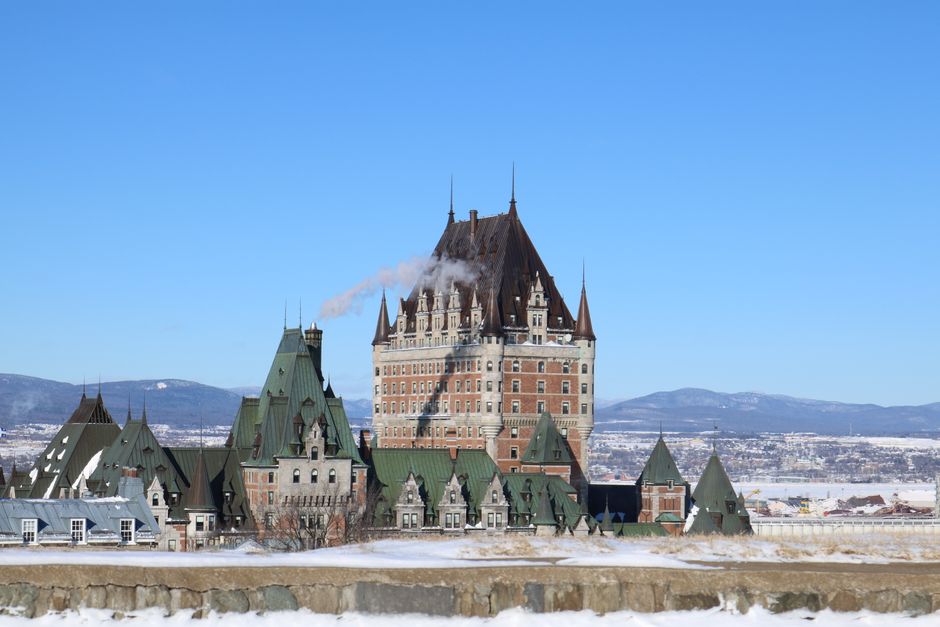
UNESCO World Heritage Sites are places of outstanding universal value, recognized for their cultural, historical, or scientific significance. Designating former residential schools under this framework would place them alongside landmarks like the Historic District of Old Québec and Head-Smashed-In Buffalo Jump, but with a fundamentally different purpose: bearing witness to systemic harm rather than celebrating achievement.
For survivors and their families, the designation could mean permanent, internationally recognized protection of the sites, ensuring they are never redeveloped or forgotten. It would also bring global attention to the full scope of the residential school system, which forcibly separated over 150,000 Indigenous children from their families across more than a century of operation.
Stewards Leading the Way
The stewards involved in last week's process represent communities that have long advocated for the preservation of these sites. Many former school buildings have fallen into disrepair, been demolished, or sit in legal limbo as communities fight for control over land tied to profound trauma.
The UNESCO process, if pursued, would require extensive documentation, community consultation, and government support at both the federal and provincial levels. It typically takes years from initial proposal to formal nomination, and there is no guarantee of success. But advocates say the conversation itself is valuable.
Truth, Reconciliation, and Remembrance
The push comes more than a decade after the Truth and Reconciliation Commission released its 94 Calls to Action in 2015, which included recommendations around commemorating the history of residential schools. The 2021 confirmation of unmarked graves at the former Kamloops Indian Residential School site in British Columbia intensified national and international attention on these sites.
Preserving the physical spaces where that history unfolded is increasingly seen as essential, not just for Indigenous survivors and communities, but for all Canadians reckoning with the legacy of colonialism.
A UNESCO designation would signal that Canada, and the world, refuses to let that history be erased.
Source: CBC News

