A major port project gets a federal push
The federal government under Prime Minister Mark Carney is taking steps toward designating the Roberts Bank Terminal 2 expansion in Vancouver as a project of national interest. The designation, part of Ottawa's broader push to speed up major infrastructure and trade projects, would help clear the way for the container terminal expansion at one of Canada's busiest ports.
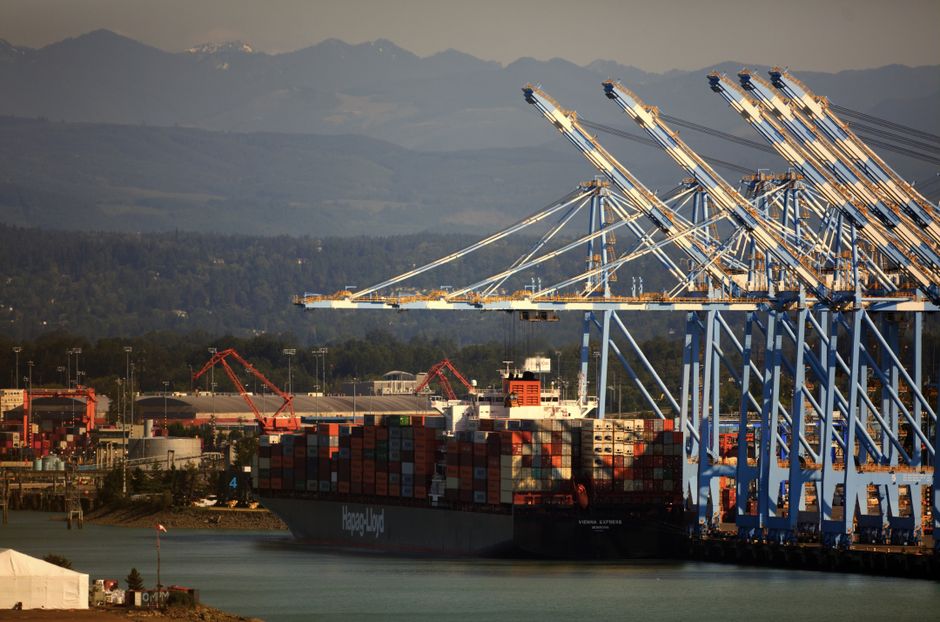
Roberts Bank, located south of Vancouver near the mouth of the Fraser River, is already home to Canada's largest container terminal. The proposed Terminal 2 project would add a new three berth marine terminal designed to significantly boost cargo capacity, a priority for a federal government eager to diversify trade routes and reduce reliance on any single market.
Why environmentalists are sounding the alarm
The Fraser River Estuary sits at the heart of the concern. It is one of the most ecologically important habitats in the country, supporting salmon runs that feed into rivers across British Columbia and beyond, along with critically endangered southern resident killer whales that rely on that salmon as their primary food source.
Environmental groups argue that fast-tracking the project through a national interest designation could shortcut the kind of rigorous environmental review the estuary deserves. Their worry is that construction and increased vessel traffic tied to the expanded terminal could further stress salmon populations already under pressure, with knock-on effects for the orcas that depend on them.
The bigger picture for federal project approvals
This is not an isolated case. The Carney government has signalled it wants to move faster on projects deemed nationally significant, whether in energy, mining, or trade infrastructure, as part of a broader strategy to strengthen Canada's economic position. Roberts Bank Terminal 2 is one of the higher profile examples of that approach so far, and how the government balances speed with environmental safeguards here could set a template for future national interest designations.
Supporters of the expansion point to Canada's need for greater port capacity to keep goods moving efficiently, particularly as global trade patterns shift. Critics counter that species already on the brink should not bear the cost of that efficiency push.
What comes next
The designation process is still underway, and it remains to be seen what conditions, if any, will be attached to protect the estuary's wildlife. For now, the debate over Roberts Bank Terminal 2 has become a flashpoint in the wider conversation about how Canada balances economic ambition with environmental responsibility, a conversation that will likely keep playing out in Ottawa as more national interest projects come forward.
Source: CBC News