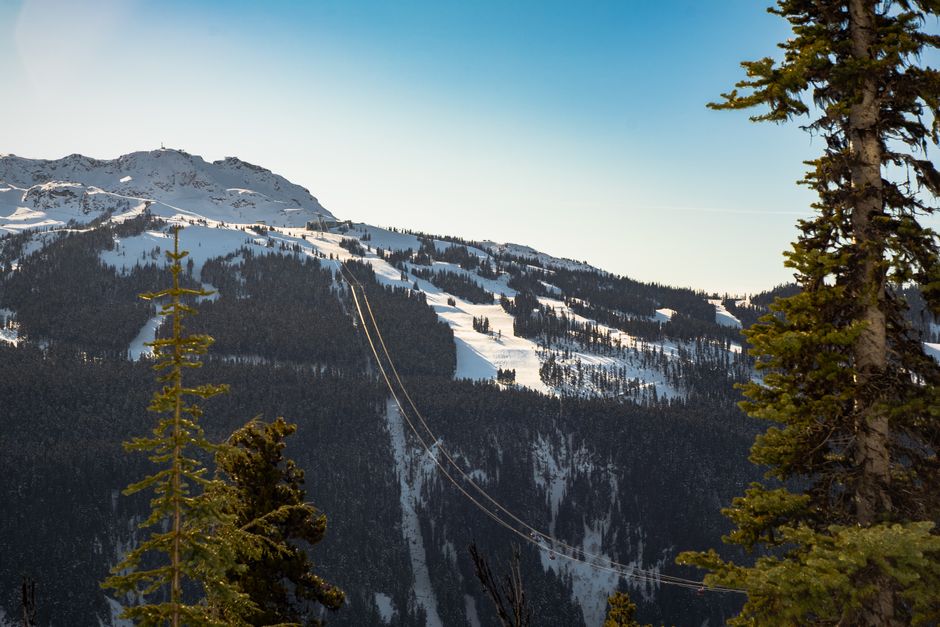
Another Rockfall Shakes Whistler Peak
Whistler Blackcomb, one of Canada's most celebrated mountain destinations, experienced another rockfall at Whistler Peak, a dramatic event that left witnesses shaken but, fortunately, no one hurt.
According to reports, those nearby heard the rumble of falling rock before they even caught sight of the collapse. "I heard it before I saw it," one witness described, capturing the unsettling nature of watching a mountainside give way in real time.
Area Closed as Precaution
Resort officials acted quickly, closing the area where the rockfall occurred on Whistler Blackcomb. The closure was put in place as a safety precaution while the site was assessed. No injuries were reported, a relief given how popular the peak is with visitors and outdoor enthusiasts.
Whistler Peak sits at the top of one of North America's premier alpine destinations, attracting skiers, snowboarders, hikers, and sightseers year-round. The area draws millions of visitors to British Columbia annually, making safety management on the mountain a constant priority for resort operators.
Rockfall: A Growing Concern in Canada's Mountains
Rockfalls and geological instability are not uncommon in alpine environments, but they serve as a reminder of the dynamic and sometimes unpredictable nature of mountain terrain. Warming temperatures tied to climate change are increasingly being linked to accelerated freeze-thaw cycles in rock faces, a process that can loosen and dislodge large sections of cliff over time.
British Columbia's coastal mountains, including those in the Whistler corridor, are particularly susceptible given their geology and the dramatic seasonal temperature swings they experience. Resort and land managers across Canada have been investing more resources into geological monitoring and early warning systems to protect visitors and staff.
What Visitors Should Know
If you're planning a trip to Whistler Blackcomb, it's always worth checking the resort's official updates before heading out onto the mountain, especially for high-alpine terrain. Closures can happen quickly and without much warning when geological activity is detected.
For Canadians travelling to British Columbia this season, Whistler remains one of the country's must-visit destinations, but this latest event is a good reminder that nature always has the final say on the mountain.
No timeline has been given for when the affected area at Whistler Peak will reopen.
Source: CBC News British Columbia. Read the original report here.

