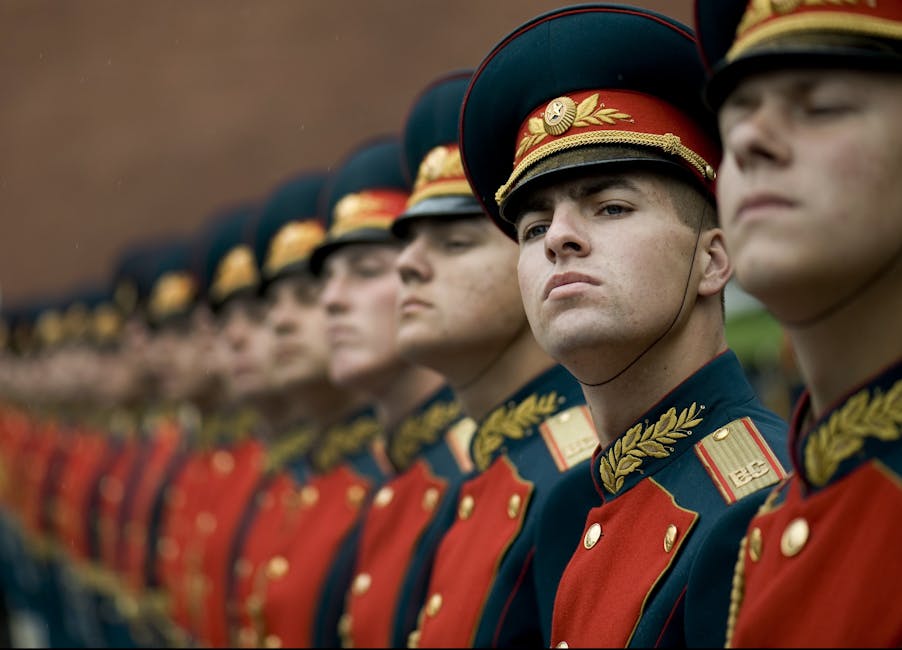
A Parade Built on Symbolism
Every year on May 9, Russia marks Victory Day, the anniversary of the Soviet Union's defeat of Nazi Germany in 1945. For Vladimir Putin, the occasion has long served as a stage for projecting military might: rows of soldiers, rumbling tanks, and nuclear-capable missiles rolling through Red Square while the Kremlin signals to the world that Russia remains a superpower not to be trifled with.
But this year's parade, according to CBC News and military analysts, will look notably diminished, a quiet acknowledgment of how much Russia's war in Ukraine has bled the country's military capacity.
The Cracks Are Showing
Since launching its full-scale invasion of Ukraine in February 2022, Russia has suffered staggering losses in personnel and equipment. Thousands of tanks, armoured vehicles, and aircraft have been destroyed or captured on the battlefield, hardware that would typically feature prominently in the Victory Day showcase.
Analysts note that the number of military assets available for display has visibly shrunk in recent years. Some equipment sent to the parade has reportedly been pulled from storage or museums, reflecting real shortages on the ground. The optics are hard to spin: a parade designed to project invincibility increasingly draws attention to vulnerability.
For Putin, that's a significant problem. Victory Day is not just commemorative. It's political theatre, aimed as much at a domestic Russian audience as at the watching world. The message has always been: Russia is strong, Russia endures, Russia wins. A thinner parade complicates that narrative.
Canada's Stake in the Story
Canada has been among the most vocal and consistent supporters of Ukraine since the war began, committing billions in military aid, training Ukrainian soldiers, and imposing sweeping sanctions on Russia. With a large Ukrainian-Canadian diaspora, one of the largest outside Ukraine itself, the war has never felt abstract here.
The Canadian government has framed its support in clear terms: this is a fight for democratic values and international law, and Russia's aggression cannot be rewarded. Ottawa has repeatedly called for accountability and has worked with G7 partners to maintain pressure on Moscow through economic isolation.
In that context, watching Russia's Victory Day parade is more than political curiosity for Canadians. It's a data point in an ongoing conflict that Canada has invested in, morally, diplomatically, and financially.
What It Signals
A weaker parade doesn't mean the war is over. Russia continues to launch devastating attacks on Ukrainian cities, and the conflict shows no signs of an imminent resolution. But the diminished display does suggest that the costs of this war, in lives, equipment, and international standing, are accumulating in ways that are increasingly difficult for the Kremlin to hide.
For countries like Canada that have staked policy positions on Ukraine's survival, that's a signal worth tracking closely.
Source: CBC News Top Stories. Read the original report here.

