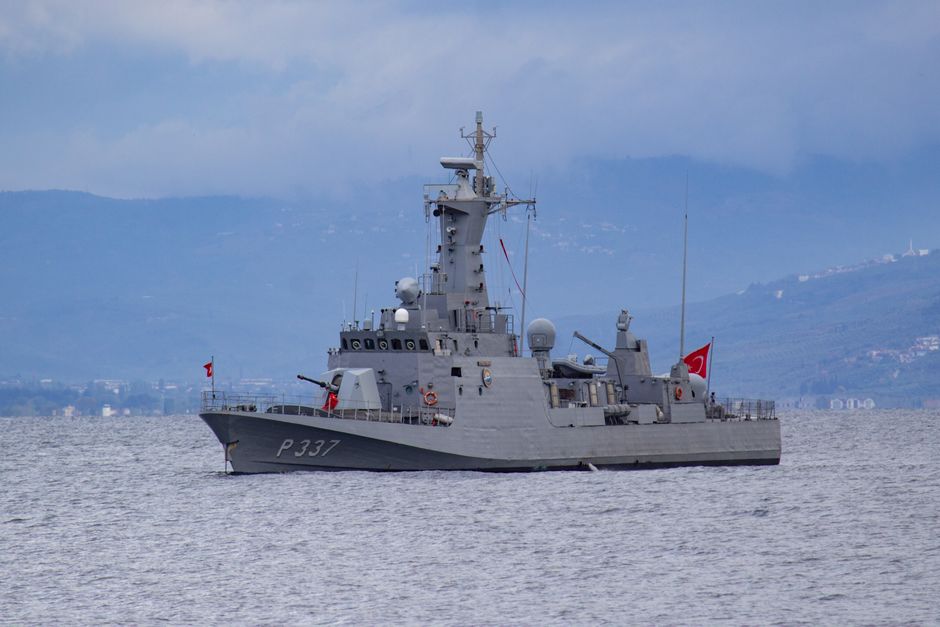
A Russian warship fired warning shots near a U.K.-registered pleasure yacht in the English Channel on Tuesday, authorities said, an incident that caused no damage but laid bare just how frayed relations between Moscow and the West have become. For Canada, a NATO member with troops and ships committed to European security, it's the kind of flashpoint that rarely stays a local story for long.
What happened
According to authorities, the Russian naval vessel discharged warning shots in the vicinity of the civilian yacht as it transited one of the world's busiest shipping lanes. No one was hurt and the yacht sustained no damage, but the act of a warship firing near a pleasure craft in international waters near the British coast was enough to set off alarm bells across European capitals. The English Channel separates the U.K. from France and sees thousands of commercial and recreational vessels pass through every week, making any military provocation there especially destabilizing.
Why this matters to Canada
Canada isn't a bystander in this part of the world. The Canadian Armed Forces maintain a rotating presence in Europe through NATO operations, including naval deployments that regularly patrol the North Atlantic and waters surrounding the U.K. Canadian frigates have shadowed Russian vessels before, and Ottawa has steadily increased its defence commitments to allies since tensions with Moscow escalated.
Incidents like this one feed directly into the conversations happening on Parliament Hill about defence spending, NATO obligations and Canada's role in deterring Russian aggression. Every warning shot fired near an allied vessel strengthens the argument from defence hawks that Canada needs to invest more in its navy and maintain a credible presence overseas.
A pattern, not a one-off
Military analysts have warned that close encounters between Russian forces and Western civilian or military craft have grown more frequent. Each one carries the risk of miscalculation, a single misread move that could spiral into something far more serious. The fact that this episode involved a civilian yacht, rather than a military ship, underscores how unpredictable the situation has become.
For Canadians, the takeaway is less about one yacht and more about the broader picture: the security environment in Europe remains volatile, and Canada's commitments there mean these distant incidents have real implications at home, from federal budget debates to the deployment of Canadian sailors thousands of kilometres from Ottawa.
What comes next
The U.K. is expected to lodge formal protests, and NATO allies, Canada among them, will be watching how Moscow responds. Whether this becomes a diplomatic footnote or the start of a sharper escalation depends largely on what happens in the coming weeks. Either way, it's a reminder that the tensions making headlines in Europe land squarely on Canada's radar too.
Source: CBC News.

