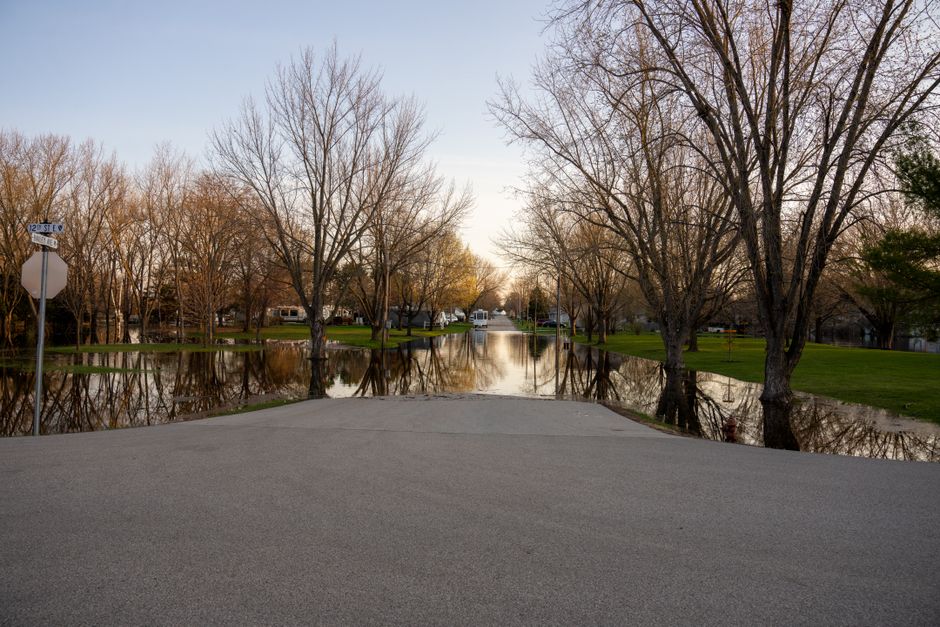
Roads Gone, People Stranded: Saskatchewan's Spring Flooding Crisis
Saskatchewan is facing a difficult start to the season as extensive spring flooding has swept through communities across the province, washing out roads, displacing residents, and leaving roughly 19 people stranded near Struthers Lake Regional Park.
The flooding has forced the closure of more than a dozen roads, cutting off access to homes, cottages, and communities in some of the province's more rural areas. Emergency officials and local authorities are working to assess damage and reach those who are isolated.
Who's Affected?
While the full scope of the flooding continues to unfold, those near Struthers Lake Regional Park have been among the hardest hit, with access roads rendered impassable and residents unable to leave on their own. Others across the province have been displaced from their homes as water levels rise.
For many Saskatchewan residents, spring flooding is an annual reality. The province's flat terrain and heavy snowpack mean that snowmelt can overwhelm drainage systems and waterways quickly, turning rural roads into rivers and cutting off access to entire communities in a matter of hours.
A Pattern That Plays Out Each Spring
This kind of flooding isn't unusual for the Prairies. Saskatchewan's river systems, including the North and South Saskatchewan Rivers, are prone to significant spring runoff events, and rural roads built across low-lying land are among the first casualties.
What makes this year's event notable is the scale: more than a dozen road closures simultaneously is a significant disruption to provincial infrastructure, and the stranding of nearly 20 people signals just how quickly conditions can deteriorate.
Provincial authorities have urged residents in flood-prone areas to monitor local alerts and avoid driving through or around road closure barriers, a reminder that washouts can be far deeper and more dangerous than they appear from the surface.
Recovery Ahead
For those displaced, the road to recovery will likely take weeks. Flooded roads require not just the water to recede, but thorough inspection and repair before they can safely reopen. In some cases, culverts and road bases are completely destroyed, requiring full reconstruction.
Saskatchewan's government has disaster assistance programs that can help residents and municipalities recover costs associated with spring flooding events, though the application process can take time.
As climate patterns continue to shift, communities across Canada's Prairies are increasingly investing in improved drainage infrastructure and emergency preparedness planning to reduce the impact of these seasonal events.
Source: CBC News Saskatchewan. Original reporting by CBC.

