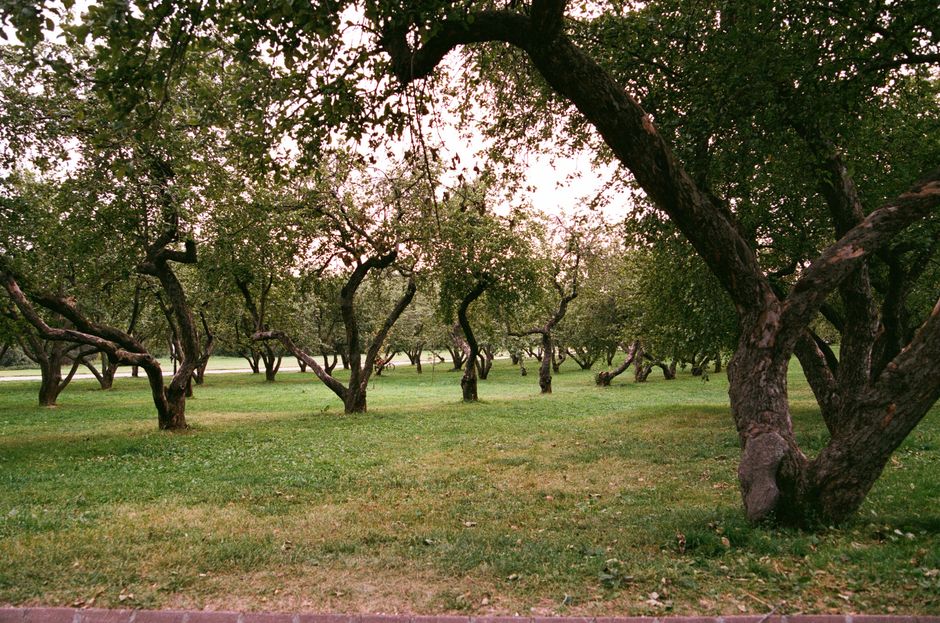
A New Kind of Public Park
Saskatoon is trying something most Canadian cities haven't attempted at this scale: growing free food in public parks. City hall has launched a pilot project converting two parks on the city's west side into "food forests", multi-layered plantings of fruit trees, berry bushes, and edible perennials designed to produce food for anyone who wants it, no questions asked.
The idea borrows from permaculture design, where fruit trees, shrubs, and ground-level plants are layered together to mimic a natural forest ecosystem while producing an ongoing harvest. Unlike a traditional community garden, which requires individual plots, applications, and upkeep, a food forest is meant to be low-maintenance once established and open to the entire neighbourhood.
Why Now
The timing isn't a coincidence. Food bank usage has surged across the country in recent years, and Saskatoon is no exception, local food banks have reported record demand as grocery prices and rents continue to squeeze household budgets. City officials say the food forest initiative is a direct response to that pressure, framing it as both a poverty-reduction tool and a long-term investment in neighbourhood food security.
Rather than relying solely on emergency food hampers, the thinking goes, a permanent food-producing landscape gives residents ongoing access to fresh produce without the stigma or logistics of a food bank visit. It's also cheaper to maintain long-term than an annual garden program, since perennial trees and shrubs don't need to be replanted each spring.
What's Actually Being Planted
City hall says the two pilot parks will be planted with a mix of fruit-bearing trees and berry shrubs suited to the Prairie climate, the kind of hardy species that can survive Saskatchewan winters while still producing a reliable yield. Because fruit trees take time to mature, officials are managing expectations: the parks aren't expected to bear meaningful fruit for about two years.
That slow timeline is part of the tradeoff with any food forest model. It's a long-term investment rather than a quick fix, and success depends on the trees establishing well and surviving the first few winters before residents see a real harvest.
Could This Spread Beyond Saskatoon?
Food forests have popped up in pockets across North America and Europe over the past decade, usually as small community-led projects rather than official city initiatives. Saskatoon's approach stands out because it's being driven directly by city hall as an anti-poverty measure, not just a green-space beautification effort.
If the pilot proves successful, it could offer a template for other Canadian municipalities grappling with rising food insecurity, from mid-sized Prairie cities to larger urban centres further east. For now, Saskatoon residents will have to wait a couple of growing seasons before the west-side parks start living up to their name, but the seeds, literally, are already in the ground.
Source: CBC News

