A Quick Reversal on Tariffs
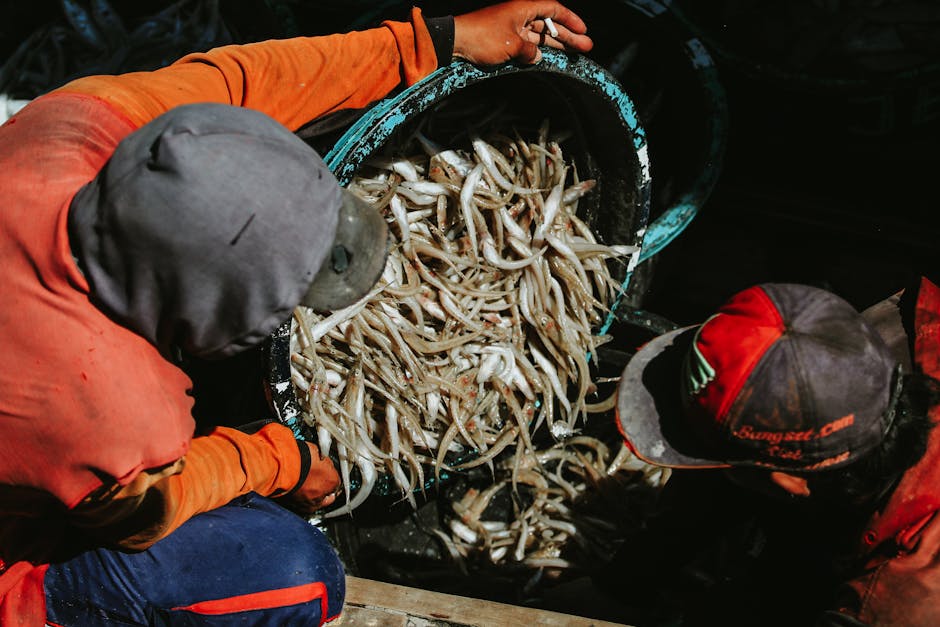
Finance Canada has walked back part of its retaliatory tariff package against the United States, removing fish and seafood products from the list of counter-tariffed items only a day after the measures were first put in place. The initial move was part of Canada's broader response to U.S. tariffs, but the seafood carve-out came almost as fast as the tariff itself.
For people working in the industry, the news landed as a genuine relief. Seafood processors, exporters and harvesters across the country had been bracing for a hit that many warned could have been severe, given how tightly integrated Canadian and American seafood supply chains are.
Why the Industry Was Worried
Canada is one of the largest seafood exporters in the world, and a significant share of that product crosses the border into the U.S., often multiple times as raw catch gets processed, packaged and shipped back and forth before reaching final markets. Adding retaliatory tariffs into that mix threatened to raise costs on both sides of the border, squeeze margins for smaller operators, and potentially push buyers toward other suppliers altogether.
Industry groups had been quick to flag the risk once the retaliatory list was published, arguing that seafood was a poor fit for a tariff meant to send a political message to Washington, since the damage would land heavily on Canadian coastal communities and workers rather than on the U.S. side of the trade relationship.
What Changed
Finance Canada's decision to strip seafood out of the retaliatory list suggests Ottawa was listening closely to that pushback. It is a notable example of how quickly a trade policy can shift once the people it affects start speaking up, and it points to the government trying to calibrate its response to U.S. tariffs carefully rather than applying a blanket approach across every export sector.
The broader retaliatory tariff package remains in place for other goods, and it is not yet clear whether additional adjustments are coming as the trade dispute with the U.S. continues to play out. But for now, seafood companies can plan around the border rules they already know rather than a fresh layer of costs.
The Bigger Picture
Trade tensions between Canada and the U.S. have been a recurring headache for exporters over the past year, and sectors watching this seafood reversal will likely be paying close attention to whether similar exemptions get carved out elsewhere. For an industry that already deals with unpredictable factors like weather, fish stocks and shifting international demand, one less thing to worry about at the border counts as a win.
Source: CBC News