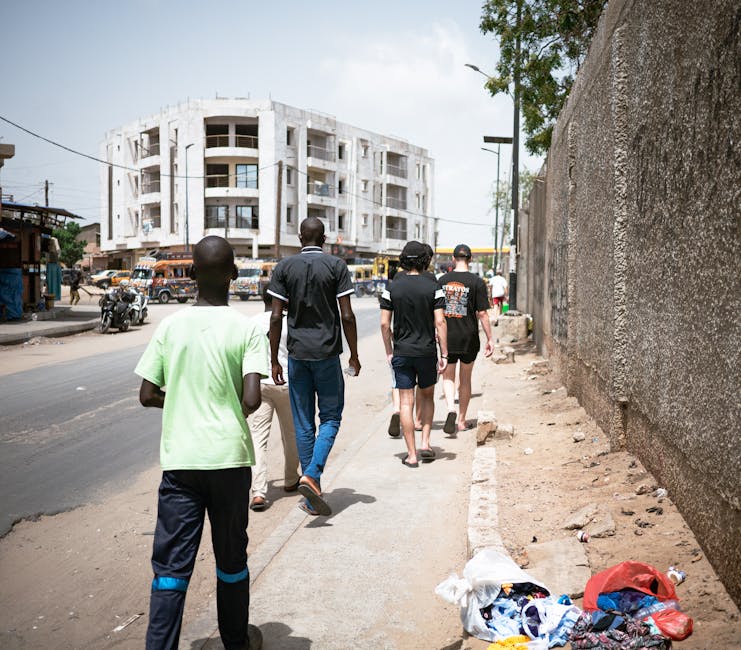
A troubling public health crisis is unfolding in Senegal, with HIV patients staying away from treatment centres out of fear, and the global health community, including Canada's staunch advocates for 2SLGBTQ+ rights abroad, is watching closely.
According to health officials and government data reviewed by Reuters and reported by CBC News, fewer patients are showing up to some HIV treatment clinics in Senegal amid a wave of arrests targeting 2SLGBTQ+ people. The trend is raising urgent alarms about the country's ability to contain the virus.
Why This Matters
Access to consistent HIV treatment is not just an individual health concern. It's a cornerstone of controlling transmission at a population level. When patients stop taking antiretroviral medication, viral loads can rise, increasing the risk of onward transmission and dramatically worsening health outcomes for individuals already living with the virus.
The fear of arrest is now functioning as a barrier to care. For many 2SLGBTQ+ patients in Senegal, visiting a clinic means risking exposure, and potentially detention. The chilling effect is tangible and measurable, according to health officials on the ground.
Canada's Position on the Global Stage
Canada has long been one of the loudest international voices calling for the decriminalization of homosexuality and the protection of 2SLGBTQ+ rights worldwide. The federal government has repeatedly tied human rights conditions to foreign aid and trade relationships, and Canadian civil society organizations have invested significantly in global HIV/AIDS response programs.
The situation in Senegal puts that advocacy to the test. When anti-LGBTQ+ legislation and enforcement practices push vulnerable people away from life-saving care, it demonstrates in stark terms why rights protections and public health outcomes are inseparable.
Canada has contributed to international HIV programs through Global Affairs Canada and organizations like the Stephen Lewis Foundation, which has focused for decades on the AIDS crisis in sub-Saharan Africa. Advocates argue that diplomatic pressure, not just funding, is essential to ensuring those investments aren't undone by crackdowns like the one now underway in Senegal.
A Pattern Seen Elsewhere
Senegal is not alone. Similar dynamics have played out in Uganda, Ghana, and other countries where anti-LGBTQ+ legislation has tightened in recent years, each time with documented consequences for HIV treatment uptake. Public health experts have warned repeatedly that criminalizing identity drives people underground and away from health services.
Canada and other Western nations have faced criticism for not doing enough in response to these crackdowns, with some advocates arguing that strongly worded statements are insufficient when aid relationships continue largely unchanged.
What's at Stake
The progress made against HIV in countries like Senegal over the past two decades required years of sustained investment, community trust-building, and international cooperation. Public health officials fear that even a short-term drop in treatment adherence can have long-lasting consequences for transmission rates and drug resistance.
For Canada, a country that has championed both LGBTQ+ rights and global health as foreign policy priorities, the crisis in Senegal represents a moment to back words with meaningful action.
Source: CBC News / Reuters

