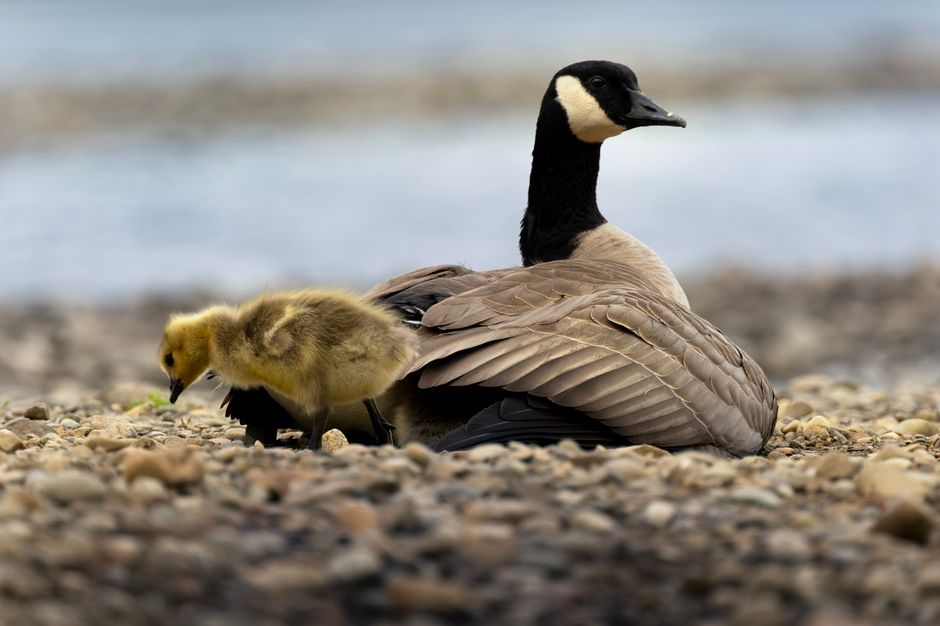
Sir David Attenborough turns 100 years old today, and it's safe to say the world, Canada very much included, is a better place for it. From the shores of the Arctic to the wetlands of British Columbia, Attenborough's documentaries have shaped how generations of Canadians understand and love the natural world.
Here are 10 facts about his extraordinary life, one per decade:
1920s: A London Boy Is Born
David Frederick Attenborough was born on May 8, 1926, in Islington, London. He grew up in Leicester, where his father was the principal of University College. From a young age, he collected fossils, stones, and newts, a habit that would define his entire life.
1930s: A Wartime Childhood
Attenborough spent much of the 1930s in rural England as World War II loomed. He's credited with developing his love of the outdoors during this period, spending hours exploring fields and ponds near his childhood home.
1940s: Cambridge and the Navy
He studied natural sciences at Clare College, Cambridge, graduating in 1947. He briefly served in the Royal Navy before pivoting to a career in media, a pivot that changed natural history television forever.
1950s: The BBC Comes Calling
Attenborough joined the BBC in 1952 as a trainee producer and quickly became a presenter. His early series Zoo Quest had him travelling the globe to bring live animals back to the London Zoo, a concept that was groundbreaking for its time.
1960s: Running the BBC
In 1965, Attenborough became controller of BBC Two, overseeing the launch of colour television in the UK. He famously championed shows like Monty Python's Flying Circus and The Old Grey Whistle Test, proving his taste extended well beyond wildlife.
1970s: Back in the Field
He walked away from his executive role to return to documentary-making, producing Life on Earth (1979), a 13-part series that redefined nature television and is still considered a masterwork. Canadians watched in awe.
1980s: Global Icon
The Living Planet (1984) and The Trials of Life (1990) cemented his status worldwide. CBC began airing his landmark series to Canadian audiences, introducing millions of Canadians to ecosystems from the boreal forest to the coral reef.
1990s: Voice of a Generation
By the 1990s, Attenborough's voice had become synonymous with wonder. His narration style, calm, precise, and deeply moved, became the gold standard for documentary filmmaking everywhere, including Canada's own nature filmmakers.
2000s: Planet Earth Changes Everything
Planet Earth (2006), filmed in stunning high definition, became a cultural phenomenon. It aired across Canada and reportedly inspired a new generation of environmentalists, scientists, and filmmakers.
2010s–2020s: A Climate Advocate
In his final decades, Attenborough shifted from observer to advocate. Films like A Life on Our Planet (2020) delivered an urgent call to protect biodiversity, a message that deeply resonates in a country like Canada, where vast wilderness faces real pressures from climate change and development.
Happy 100th, Sir David. The planet is lucky to have had you.
Source: CBC News Top Stories

