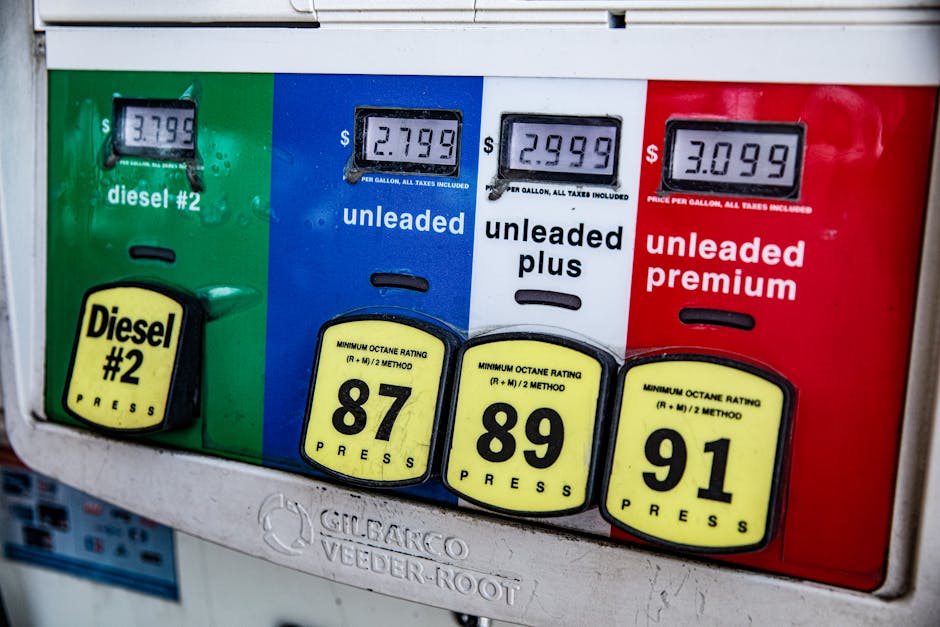
Filling Up Is Getting Painful
If you've winced lately while watching the numbers spin at the gas pump, you're not alone. Canadians coast to coast are dealing with a sharp spike in fuel prices, driven largely by escalating conflict in the Middle East that's rattling global oil markets and pushing crude prices upward.
The price surge isn't just an inconvenience, for many, it's a financial gut punch hitting at the worst possible time, as households already stretched by inflation and high interest rates now face climbing costs just to get to work, run errands, or keep a business moving.
Who's Being Hit Hardest
While every driver feels it, those who drive for a living are absorbing the biggest blows. Truckers, delivery drivers, rideshare operators, and long-haul transport companies are watching their margins evaporate as fuel costs, often one of their largest operating expenses, continue climbing.
Transport companies that locked in contracts before the price spike are in an especially tough spot, unable to pass the added costs on to customers mid-contract. Some smaller operators are reportedly running close to break-even on routes they've serviced profitably for years.
For Ottawa residents, the ripple effects are familiar: higher shipping costs tend to flow downstream into grocery prices, restaurant bills, and the cost of goods across the board. It's one of those invisible taxes that touches nearly every corner of daily life.
Why Are Prices Rising?
The driving force is geopolitical instability in the Middle East, which has spooked global oil markets and pushed crude prices higher. When oil-producing regions face conflict or uncertainty, traders price in the risk of supply disruptions, and that anxiety shows up fast at Canadian pumps.
Canada imports a significant portion of its refined fuel, particularly in Eastern Canada, making the country sensitive to global crude price swings even though Canada itself is a major oil producer. The disconnect between domestic production and regional refining capacity means Canadians rarely get insulated from international price shocks.
Could It Get Worse?
Unfortunately, analysts aren't painting a rosy picture in the near term. If Middle East tensions escalate further or spread to major oil-producing nations, supply disruptions could push crude prices even higher. A prolonged conflict scenario could mean Canadians spend the better part of the year dealing with elevated prices at the pump.
There's also the seasonal factor: as spring arrives and more Canadians hit the road, demand typically picks up, which can add further upward pressure to already-strained prices.
What Can Drivers Do?
For now, the practical advice is familiar: combine errands into single trips, keep tires properly inflated for better fuel efficiency, use apps to find the cheapest nearby stations, and consider carpooling where possible. Some commuters are revisiting public transit options as the cost-benefit math shifts.
For Ottawa drivers, OC Transpo passes and the city's expanding cycling infrastructure offer alternatives worth revisiting, especially as warmer weather makes active commuting more appealing.
The situation is a stark reminder of just how connected Canadian daily life is to global events playing out thousands of kilometres away.
Source: CBC News Top Stories

