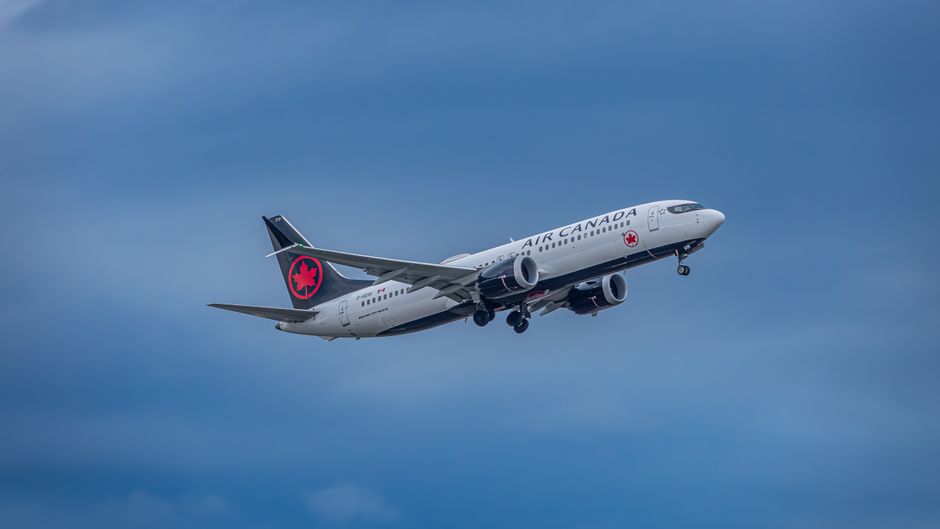
Canadian Summer Travel Is Getting Complicated
For millions of Canadians, summer travel is practically a rite of passage, but 2026 is shaping up to be one of the more turbulent years in recent memory. A combination of flight disruptions, soaring costs, and a nationwide conversation about U.S. travel is forcing people to rethink their plans well before they ever reach the airport.
From coast to coast, travellers are reporting sticker shock at airfare prices, with fuel surcharges and carrier fees pushing ticket costs higher than many anticipated when they started dreaming about a summer getaway back in January. And that's before factoring in the unpredictability of flight cancellations, an issue that has plagued Canadian carriers on and off since the pandemic reshuffled the aviation industry.
The U.S. Boycott Factor
Adding another layer of complexity is the ongoing informal boycott of American travel destinations that has quietly gained traction among Canadian consumers. Whether it's concern over cross-border politics, uncertainty around entry procedures, or simply a desire to keep tourism dollars at home, a growing segment of Canadians are deliberately routing their summer itineraries away from the United States.
The result has been a surge of interest in domestic destinations, think Banff, Prince Edward Island, the Cabot Trail, and yes, cities like Ottawa. For locals here in the capital, that's actually good news: more Canadians discovering what Ottawa has to offer as a summer destination, from the Rideau Canal to the ByWard Market and world-class museums.
What Travellers Can Do
If you're still planning a summer trip, travel experts recommend a few practical steps to reduce risk and manage costs:
Book refundable fares where possible. The premium is worth it in an uncertain market. Non-refundable tickets save money upfront but can turn into an expensive gamble if your flight gets cancelled or rescheduled.
Travel insurance is non-negotiable. Make sure your policy covers trip interruption and cancellation, not just medical emergencies. Read the fine print around strike clauses and carrier insolvency.
Consider shoulder-season travel. Late August and early September often mean cheaper fares and thinner crowds at popular destinations, with weather that's still excellent across most of Canada.
Build in buffer days. If a connection is critical, say, you're catching a cruise or an international connection, arrive a day early. The cost of a hotel night is far less than missing a ship.
Keep an eye on your rights. Under Canada's Air Passenger Protection Regulations, you're entitled to compensation for delays and cancellations within an airline's control. Know what you're owed before you fly.
A Silver Lining for Domestic Tourism
For all the headaches, the disruption is driving renewed interest in Canadian destinations that often get overlooked when travellers default to a beach resort or a U.S. city break. Small towns, national parks, and urban centres across the country are seeing stronger advance booking numbers: a potentially welcome shot in the arm for local economies still recovering from leaner years.
Whether you're staying close to home or venturing cross-country this summer, a little extra planning and flexibility will go a long way in making sure the season delivers on its promise.
Source: CBC News

