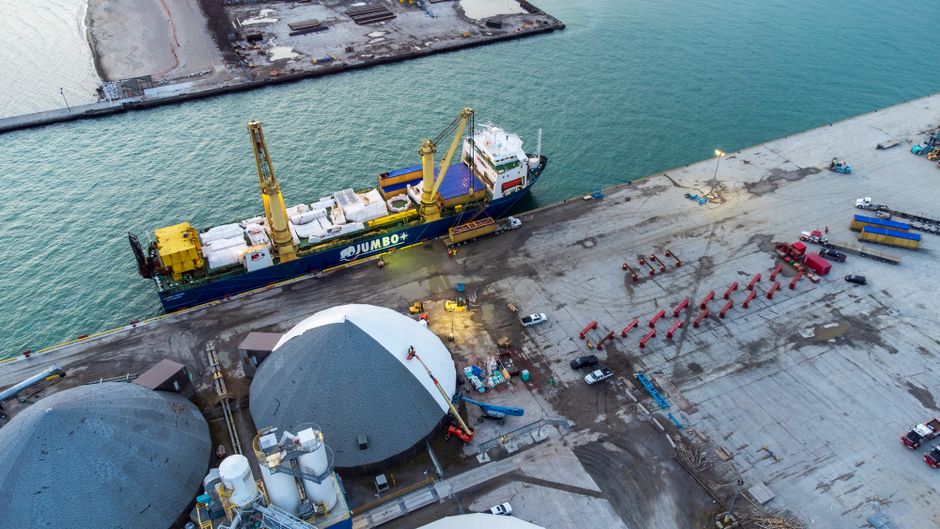
Federal Government Eyes New Rules to Ease Export Bottlenecks
Canada's transportation minister is set to announce a package of export support measures aimed at helping the country's biggest producers move goods across the country more efficiently, with Saskatchewan's top exporters among the primary beneficiaries.
The announcement signals growing federal attention to one of Canada's most persistent economic frustrations: the logistical gauntlet that agricultural and resource exporters face when moving products from the Prairies to port.
What's on the Table
While full details are expected to follow the minister's announcement, the proposed legislation is understood to target cross-Canada transportation concerns that have long plagued Saskatchewan's export sector. The province is one of Canada's most export-dependent economies, with canola, wheat, potash, and other commodities accounting for a massive share of economic output.
Supply chain disruptions, from labour disputes at major ports to extreme weather events affecting rail lines, have repeatedly exposed vulnerabilities in Canada's export infrastructure. Ottawa has faced mounting pressure from industry groups and provincial governments alike to create more resilient, predictable frameworks for getting Canadian products to global markets.
Why This Matters for the Prairies
For Saskatchewan exporters, reliable transportation isn't just a convenience. It's existential. A delayed grain shipment or a bottleneck at a terminal can mean millions of dollars in losses and damaged relationships with overseas buyers.
Canada competes globally against agricultural powerhouses like the United States, Brazil, and Australia, all of which have invested heavily in export logistics. Industry advocates have argued for years that federal policy needs to better reflect the realities facing producers who are geographically far from tidewater.
The new supports could include measures around rail service obligations, port coordination, or export financing mechanisms, though the minister's office has yet to release specifics ahead of the formal announcement.
A Broader Trade Strategy
The move comes as Canada continues to diversify its trade relationships amid ongoing uncertainty around U.S. tariffs and North American trade dynamics. Strengthening export infrastructure is increasingly viewed as a strategic priority, one that supports not just Prairie farmers, but the broader Canadian economy.
Parliament Hill has been under the spotlight to deliver tangible results for Canada's resource and agricultural sectors, and this announcement appears to be part of a coordinated federal push to show action on economic competitiveness.
More details are expected as the minister makes the formal announcement. Saskatchewan exporters and industry organizations are watching closely to see whether the legislation delivers the structural changes the sector has long been asking for.
Source: Global News Canada

