An Unusual Venue for a Diplomatic Nudge
Most high-stakes conversations between Canadian and American leaders happen behind closed doors in Ottawa, Washington, or on the margins of formal summits. This one happened at a soccer match. According to a CBC News report, U.S. President Donald Trump used a sideline chat with Prime Minister Mark Carney at the World Cup Final to raise concerns about wildfire smoke drifting south of the border, telling Carney to "stop poisoning American air" and take stronger action to put out fires burning across Canada.
While the setting was informal, the message lands at a moment when wildfire smoke has become an increasingly year-round irritant in Canada-U.S. relations, not just a summer news story.
Why Wildfire Smoke Keeps Crossing the Border
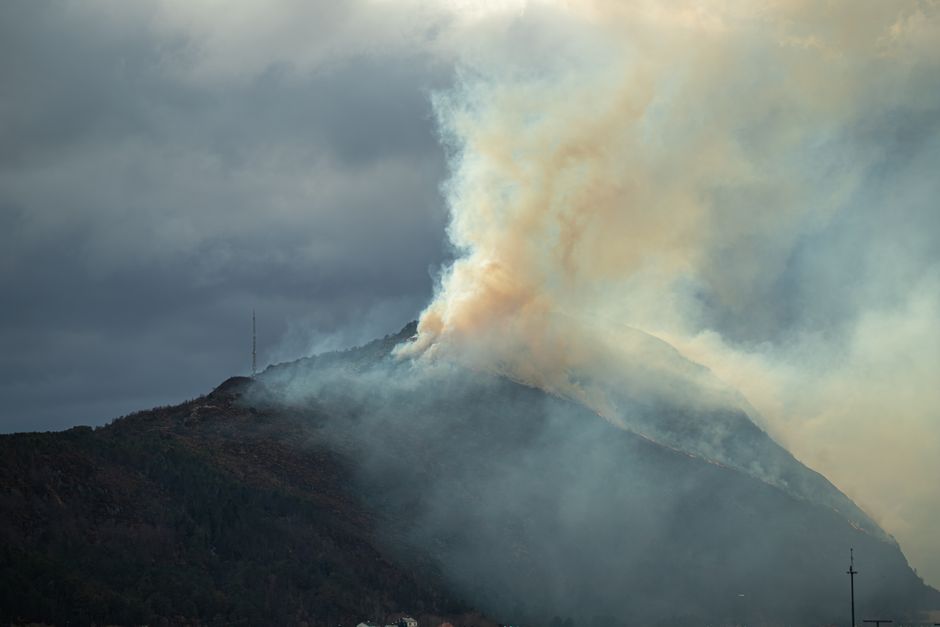
Canada has weathered several brutal wildfire seasons in recent years, with blazes in British Columbia, Alberta, and the boreal north sending smoke plumes thousands of kilometres away. Those plumes don't respect provincial or national boundaries, smoke from Canadian fires has repeatedly triggered air quality alerts in major U.S. cities, from New York to Chicago, prompting outdoor event cancellations and health warnings for vulnerable residents.
For the federal government, that means wildfire response isn't just a domestic emergency management file anymore. It's increasingly tangled up in cross-border diplomacy and trade relations with an administration that has shown little patience for what it frames as Canadian inaction.
The Ottawa Angle
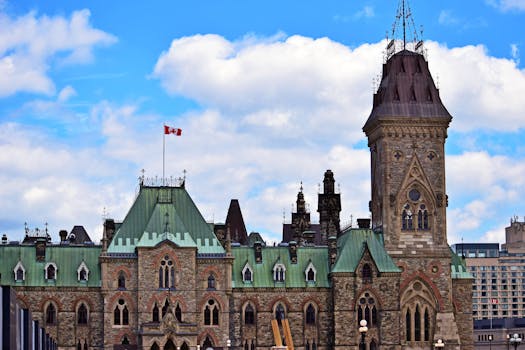
While the fires themselves burn far from the National Capital Region, the political fallout lands squarely on Parliament Hill. As the seat of Canada's federal government, Ottawa is where any policy response, additional funding for provincial firefighting resources, a national wildfire strategy, or renewed cross-border coordination with U.S. agencies, will ultimately be shaped and announced. Ottawa residents are no strangers to the smoke itself, either: the capital has seen its own hazy, orange-tinged skylines and air quality advisories in past wildfire seasons, a reminder that this isn't purely an abstract diplomatic dispute for people living here.
Carney's government has faced calls from opposition MPs and provincial premiers alike to bolster Canada's wildfire-fighting capacity, including expanding the national aerial firefighting fleet and improving early-detection systems. Trump's comments, however blunt, add international pressure to an issue already generating domestic political heat.
What Happens Next
No formal commitments were announced following the World Cup exchange, and it remains an informal, reported conversation rather than a policy statement. But it signals that wildfire smoke, and Canada's handling of it, is likely to stay on the radar in Canada-U.S. relations heading into the next fire season. Whether that translates into new federal funding, expanded provincial support, or joint cross-border air quality initiatives will depend on how Carney's government responds in the coming months.
Source: CBC News